Travel Guide
Croatia National Parks
All eight parks, from Plitvice’s waterfalls to the Kornati archipelago
Eight Parks, Eight Worlds
Croatia has eight national parks — a remarkable density for a small country — and they protect a startling variety of landscapes: turquoise waterfall lakes in the karst interior, untouched limestone archipelagos on the Adriatic, wolf-and-bear forests in the alpine north, and the only true freshwater swimming-waterfall park in Europe. Together they cover 8.6% of Croatia’s territory and form the backbone of the country’s natural heritage.
This guide covers all eight Croatian national parks — what makes each one distinct, when to visit, how long to spend, and how to combine them into a luxury Croatian itinerary.
1. Plitvice Lakes National Park
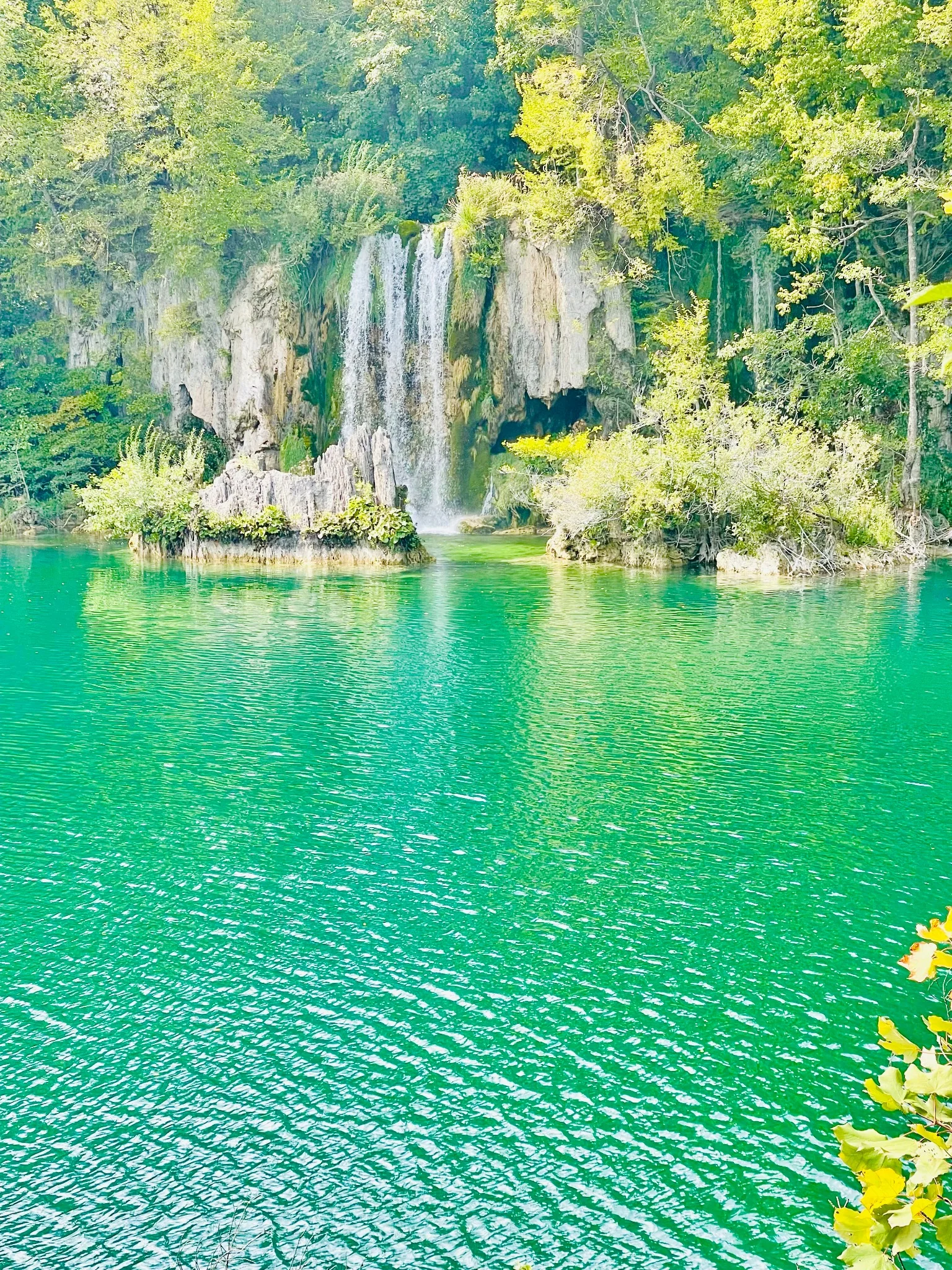
Croatia’s most spectacular natural wonder and a UNESCO World Heritage Site since 1979. Sixteen turquoise lakes connected by ninety waterfalls, threaded by wooden boardwalks that take you almost close enough to touch the water. The 78-metre Veliki Slap is the largest waterfall in the country.
Best time: Late April–June (peak waterfall flow); September–October (autumn colors).
How long: Half-day minimum, full day ideal. Stay overnight to enter at 7am opening.
Don’t: Swimming is not permitted anywhere in the park.
Read our full Plitvice Lakes Travel Guide for trails, accommodation, and detailed planning.
2. Krka National Park
The other waterfall park, on the Krka River 40 minutes inland from Šibenik. Less famous than Plitvice but with one major bonus until recently: you could swim below the spectacular Skradinski Buk waterfall (now restricted in some seasons — check current rules). The 17 sets of cascades stretch across travertine terraces in a dramatic limestone gorge. Visovac Island, with its 14th-century Franciscan monastery floating in the middle of the river, is one of the most photogenic spots in Croatia.
Best time: May–October. Spring snowmelt makes the falls thunder; autumn is quieter.
How long: Half-day to full day. Combine with Šibenik as a base.
Access: Boat from Skradin (most atmospheric) or bus from Lozovac (faster).
3. Mljet National Park
The forested western third of Mljet island, an hour’s catamaran from Dubrovnik or Korčula. Mljet protects two saltwater lakes — Veliko and Malo Jezero — connected to the sea by a narrow channel. In the middle of Veliko Jezero sits St Mary’s Island, with a 12th-century Benedictine monastery you can reach by small boat. The park has wonderful cycling trails (rentals at the entrance), kayaking, and quiet swimming spots in the lakes themselves (yes, swimming permitted).
Best time: June–September.
How long: Full day, ideally as an overnight from Korčula or Dubrovnik.
Don’t miss: The boat across to St Mary’s Island and the monastery courtyard.
4. Kornati National Park
An archipelago of 89 mostly uninhabited limestone islands rising directly out of the Adriatic in surreal lunar formations. The water is some of the clearest in the Mediterranean. Reached only by boat — day trips run from Zadar, Šibenik, and the smaller harbor town of Murter. The Kornati islands have no permanent residents, no mains water, no electricity grid, and no roads — just stone, sea, and the occasional konoba.
Best time: May–September.
How long: Full-day boat trip. Multi-day yacht charters for serious sailing.
Don’t miss: Lunch at one of the konobas at Telaśćica or Levrnaka anchorages.
5. Brijuni National Park
A 14-island archipelago off the Istrian coast near Pula, famous as Yugoslav President Tito’s private retreat from 1949 to 1979. The main island (Veli Brijun) has Roman villas, Byzantine ruins, dinosaur footprints, an exotic-animal park stocked with gifts from world leaders to Tito, and beautifully landscaped grounds. Reach the islands by boat from Fažana, hire a bicycle or take the small train, and spend a day among the most curious mix of nature and 20th-century history in Croatia.
Best time: April–October.
How long: Full day from Pula or Rovinj.
Don’t miss: The Tito-era exotic-animal park and the dinosaur footprints at Pogledalo.
6. Paklenica National Park
Croatia’s premier hiking and rock-climbing destination — a pair of dramatic Velebit mountain canyons (Velika and Mala Paklenica) just inland from Starigrad on the Adriatic coast, 50 km north of Zadar. The walls of the gorges rise 700 metres above the valley floor and host more than 400 climbing routes. Hiking trails range from gentle valley walks to multi-day routes onto the Velebit ridge.
Best time: April–June, September–October. Avoid the heat of midsummer.
How long: Half-day to multi-day for serious hikers.
Don’t miss: The Manita Peć cave (guided tours only, twice daily in season).
7. Risnjak National Park
The least-visited and most genuinely wild of Croatia’s national parks — dense alpine forest in the Gorski Kotar mountains an hour east of Rijeka. Risnjak is named after the lynx (ris) that still inhabits these forests alongside brown bears and wolves. The Leska educational trail (4.2 km) is the easiest introduction; multi-day hikes climb to the 1,528-metre Veliki Risnjak summit.
Best time: May–October. Trails are accessible only May–November.
How long: Day trip from Rijeka or overnight in Crni Lug.
Don’t miss: The source of the Kupa River — a perfect, deep blue spring-fed pool.
8. Sjeverni Velebit National Park
The northern stretch of the Velebit massif — 109 square kilometres of high-karst plateau with spectacular limestone formations, wildflower meadows, and the famous PremuŽić Trail: 57 kilometres of hand-built stone path winding along the ridge with sweeping views over the Adriatic and the Kvarner islands. A serious hiker’s destination; the easiest entry is the Zavižan weather station with its small mountain lodge.
Best time: June–September only — snow closes most trails Nov–May.
How long: Day trip or multi-day Premužić traverse.
Don’t miss: The view from the Zavižan meteorological station at sunset.
Frequently Asked Questions
Which is the best Croatian national park to visit?
Plitvice Lakes is the most spectacular and most visited — the must-see if you only have time for one. Krka is the second waterfall park and easier to combine with the Dalmatian coast. For Adriatic island scenery, the Kornati archipelago. For hiking, Paklenica. For wild forest, Risnjak. Most luxury Croatian itineraries include at least Plitvice or Krka.
Can you swim in Plitvice Lakes National Park?
No — swimming is not permitted anywhere in Plitvice Lakes National Park. The lakes are protected for the unique travertine ecology that creates the waterfalls. For swimming under or in waterfall pools, visit Krka National Park (note: swimming below Skradinski Buk has been restricted in recent years).
How many days do you need for Croatia’s national parks?
A focused day each at Plitvice and Krka covers the two most important. Adding Mljet adds another day. A full national-parks week could combine Plitvice + Krka + Kornati + Mljet + Paklenica with overnight stays in between. Most travelers fit one or two parks into a coastal itinerary.
Is Plitvice or Krka better?
Plitvice is more spectacular — 16 lakes, 90 waterfalls, the largest single waterfall in Croatia, UNESCO World Heritage. Krka is smaller, less crowded, easier to reach from the Dalmatian coast, and historically allowed swimming below Skradinski Buk (currently restricted). Most travelers visit Plitvice if they have time for only one.
Do you need a guide for Croatia’s national parks?
No — all parks are well-marked and easily self-guided. Audio guides are available at Plitvice and Krka. Brijuni requires a guided tour (included in admission). Risnjak and Sjeverni Velebit hiking trails are well-blazed but a local guide is recommended for multi-day mountain routes.
Plan Your Croatia Trip
Pair the parks with the destination guides for the cities they’re closest to: Plitvice Lakes, Šibenik for Krka, Zadar for Kornati and Paklenica, Dubrovnik or Korčula for Mljet, and Pula for Brijuni. See the Croatia Travel Guide for trip structure and the 7 Day Itinerary for a worked example.