Big-Game Adriatic
Croatia Tuna Fishing
Bluefin Big-Game Charters & Private Adriatic Expeditions
The fish of a lifetime
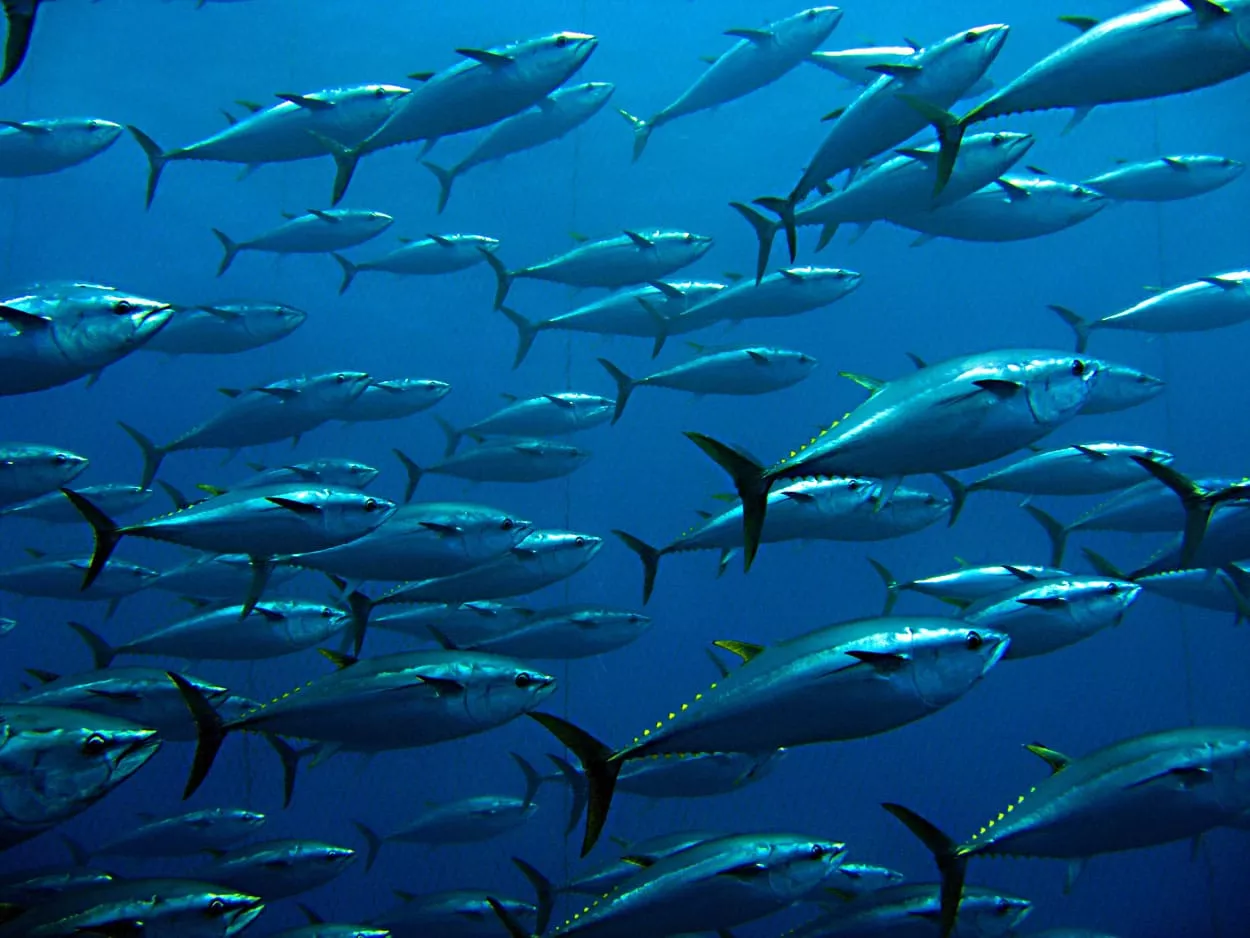
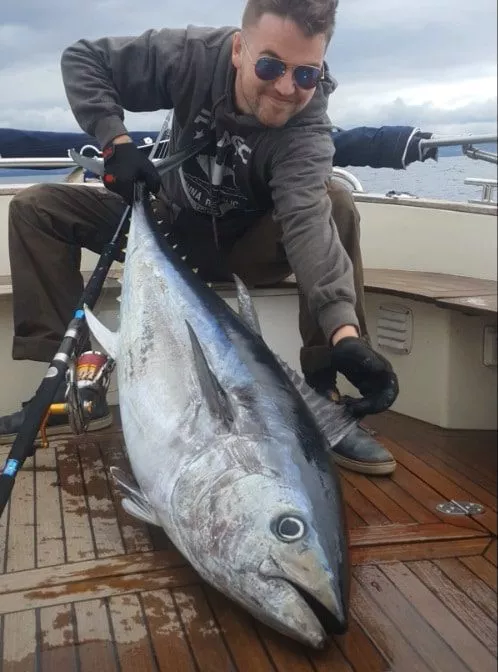
Croatia’s deep blue stretch of the Adriatic is one of the most rewarding bluefin tuna fisheries in the Mediterranean. The fish here are not the schoolies of the Atlantic shallows — these are Atlantic bluefin (Thunnus thynnus), the great oceanic predators of the Mediterranean, regularly caught between fifty and three hundred kilograms and occasionally exceeding three metres in length. They run the open water between the Croatian coast and the Italian shelf, feeding on sardine and anchovy schools, and they fight in the way only bluefin can — long, deep, and so fast that hundreds of metres of line disappear inside minutes.
For the traveller who values a single extraordinary day on the water more than a marina full of cocktails, a private bluefin charter on the Adriatic is one of the most memorable experiences Croatia offers. This guide covers what makes the fishery special, when and where to come, what a luxury charter day looks like, and the small set of licensed captains who can take you out.
Why Croatia for bluefin tuna
Three things make the Croatian Adriatic exceptional for big-game tuna. First, the seabed: deep open water lies just a short run from the islands, so a guest can be at productive grounds within an hour of leaving harbour rather than the four-hour transits that big-game fishing demands in many other parts of the Mediterranean. Second, the food: the central Adriatic carries some of the densest sardine and anchovy populations in the Med, and the bluefin follow them. Third, regulation: Croatia caps the bluefin commercial harvest, the fishery is sustainably managed under ICCAT, and only a small number of captains are authorised to target them — which means the boats that do hold tuna licences are operated by the country’s most experienced big-game crews.
Tuna season in Croatia
The Croatian tuna season runs broadly from March through December, with a regulatory pause around the June spawning window. Within that long arc, two periods stand out for big-game travellers:
- April – June: the spring run as the fish feed before spawning. Cool, clear water, fewer charters on the grounds, large fish staging in deep water off the central islands.
- September – October: the autumn peak, when the bluefin return to feed hard before winter. Long settled weather, the warmest sea of the year, and the most consistent fishing of the calendar.
July and August are excellent and exciting but the busiest months on the coast generally; charters fill early and the same operators are running guests onto fish daily. November and December still produce, with shorter days, fewer guests, and a rugged late-season feel for those who don’t mind weather windows.
Best ports for a bluefin charter
The licensed Croatian tuna fleet is concentrated in a handful of ports on the central and northern Adriatic, each with a slightly different catchment of grounds.
- Jezera (island of Murter) — the long-standing centre of organised big-game fishing in Croatia. Quick access to the deep water off Kornati and the central Adriatic shelf.
- Krk — Croatia’s largest island, with deep-water grounds within easy reach and one of the most consistent late-summer bluefin fisheries in the country. Pair a Krk charter with a stay in Krk old town.
- Zadar — known for late-summer and autumn tuna runs, with productive water off the Zadar archipelago and Pag Island. See our Zadar travel guide.
- Rovinj — Istria’s pastel harbour town, with offshore tuna grounds that fish particularly well in late summer. Pair with the Rovinj travel guide.
- Rabac — a small east-Istrian port that has produced some of the country’s record bluefin catches and is a favourite of professional anglers.
- Biograd, Pag, Petrcane, Filip Jakov, Turanj — the smaller central-Dalmatian ports that complete the licensed fleet’s home base.
The licensed fleet
Recreational bluefin tuna fishing in Croatia is tightly regulated. Only a small number of captains — typically around a dozen, depending on the season — hold the official permit allowing them to target the species, and the fleet’s combined seasonal recreational quota is small (a matter of tonnes, not the hundreds of tonnes commercial vessels work with). What that means in practice for the traveller is that any honest big-game charter you book in Croatia will be on a properly licensed boat with a captain who has years of bluefin-specific experience — and any operator who claims otherwise should be avoided. Most of the fleet runs between 11 and 14 metres, with full big-game outfits (Shimano Tiagra, Penn International), purpose-built fighting chairs, outriggers, downriggers, and live-bait wells.
A day on the water
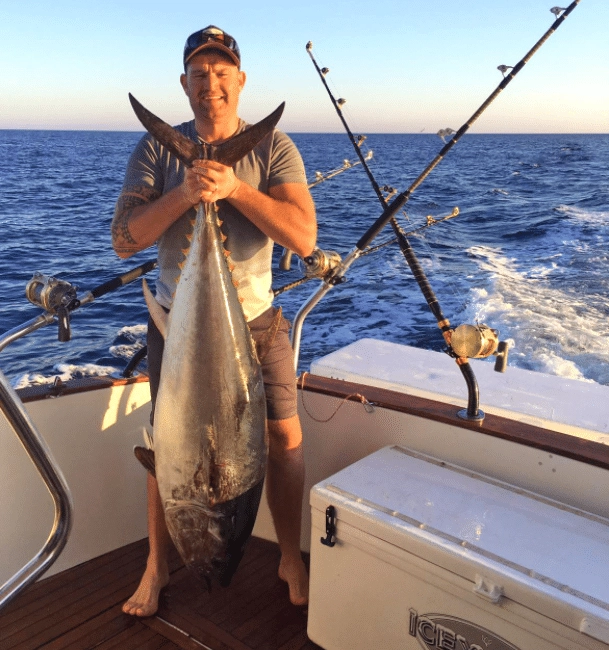
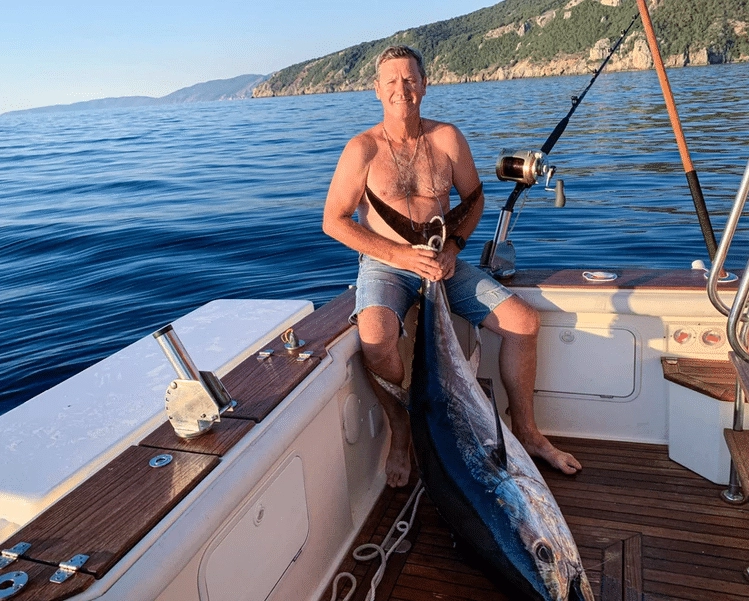
A typical full-day charter departs the harbour around five or six in the morning to be on the grounds at first light. The captain will run thirty to ninety minutes offshore depending on where the fish are working that week, set a spread of trolled lures or live baits, and quietly cover ground while the marks come up on the sounder. When a fish takes, the day stops being typical: a hooked bluefin runs hard, the chair takes over, and the next twenty minutes to two hours are some of the most physical fishing in the world. The boat works the angles; the captain reads the run; the angler holds on. After the fish — landed boatside, photographed, measured, and released or retained according to the day’s permit — the boat usually settles to lunch on board (Dalmatian platters, bread, local wine, espresso) and a quieter afternoon of trolling before a sunset run home.
Multi-day expeditions & yacht-supported fishing
For travellers who want more than a single day on the chair, the best operators arrange multi-day expeditions that follow the fish along the coast — Krk to Murter, Murter to Pag — with overnight stays in coastal towns. A more refined alternative is to base on a chartered motor yacht (50–80 ft) and tender across to the licensed fishing boat each morning, which lets the family enjoy the islands while the angler fishes the dawn and dusk windows. See our Croatia yacht charter guide for partner operators on the yacht side. For travellers wanting a fully integrated luxury fishing week, the Andersons’ Korta Katarina estate at Orebic on Peljésac is the strongest land base — the family enjoy the Relais & Châteaux villa, the Captain’s Terrace, and days on the 61.3-metre M/Y Katharine, while the angler steps across to a licensed bluefin charter from the harbour for the dawn run.
Catch limits, tags, and conservation
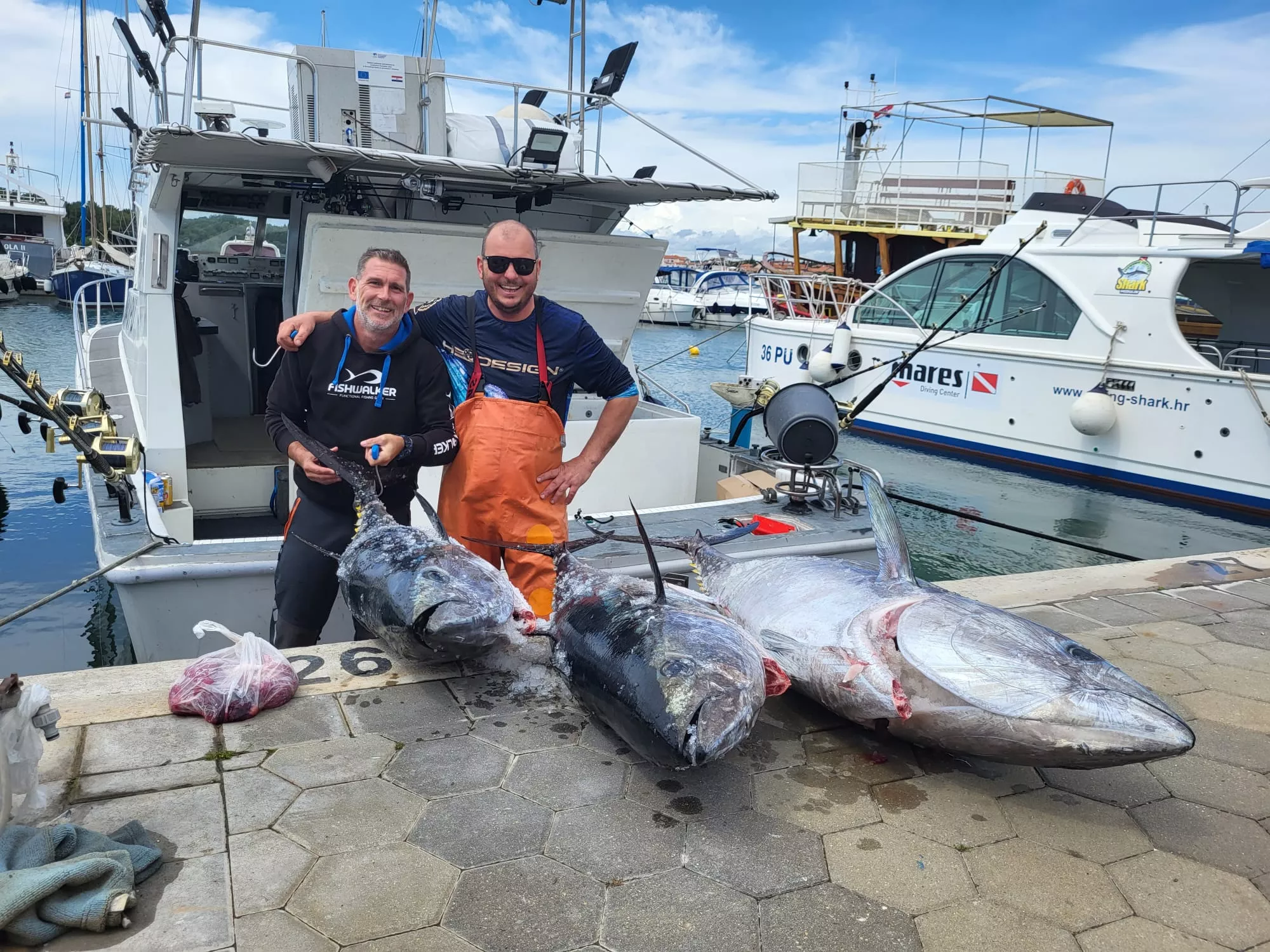
Bluefin tuna in the Mediterranean is one of the great fisheries-management success stories of the past two decades. Stocks have recovered strongly under ICCAT regulation, and Croatia operates within that framework. Recreational charters fish under one of two regimes depending on the day: catch-and-release, which is the default and which the conservation-minded angler should request specifically, and catch-tag-and-keep, which is permitted only against the captain’s small annual quota. A retained fish is a serious matter — it is one of only a handful that boat will land all year — and the captain will explain the rules and your options on the morning briefing.
What to bring
- Soft-soled deck shoes, polarised sunglasses, a long-sleeved technical shirt, and a wide-brim hat. The Adriatic sun is intense even in shoulder season.
- A light jacket and a windproof shell — dawn runs can be cool, and the open Adriatic carries a stiffer breeze than the protected harbours suggest.
- Reef-safe sunscreen, a refillable water bottle, and seasickness medication if you’re prone (the boats carry it but it works best taken pre-emptively).
- A camera with a long lens for the boatside shots — most captains will not allow the fish to be lifted from the water for photographs.
- Tipping cash in euro for the deckhand. Customary tip is 10–15% of the charter rate for a successful day.
Frequently asked questions
When is the best time to fish for tuna in Croatia?
The two best windows are April–June (the pre-spawning run) and September–October (the autumn feeding peak). Croatia’s broader tuna season runs March through December with a brief pause for the June spawn. September is the most consistent month overall — long settled weather, the warmest sea, and reliably feeding fish.
How big are the bluefin tuna caught in Croatia?
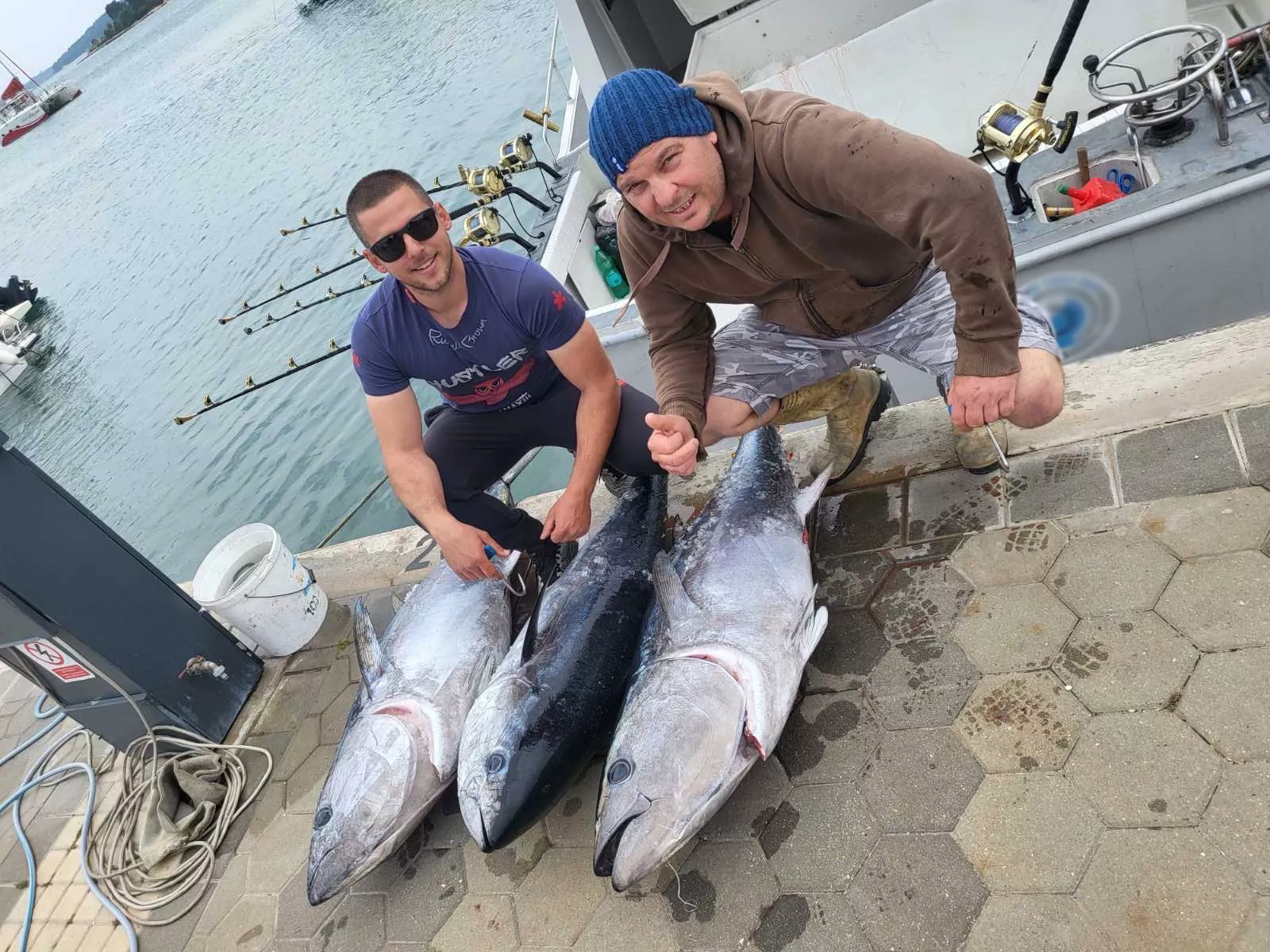
Atlantic bluefin tuna landed in Croatian waters typically range from 50 kg to 300 kg, with fish over 200 kg routine in the autumn run. Specimens above three metres in length are caught most seasons. These are mature ocean predators rather than the schoolies of nearshore Atlantic fisheries.
Where in Croatia do you fish for bluefin tuna?
The licensed fleet is based in Jezera (island of Murter), Krk, Zadar, Rovinj, and Rabac, with smaller fleets in Biograd, Pag, Petrcane, Filip Jakov, and Turanj. The grounds are open Adriatic water reached in 30–90 minutes from each port. Murter and Krk are the most established big-game centres.
Do I need a licence to go tuna fishing in Croatia?
Guests do not need a personal Croatian fishing licence to charter a tuna boat — the captain’s commercial permit covers the trip. Recreational tuna fishing is, however, restricted to the small number of officially licensed captains, so always confirm your operator is one of them. Any reputable charter will display this licence on request.
Is tuna fishing in Croatia catch-and-release?
Most days, yes. The default is catch-and-release, and conservation-minded charters work this way as policy. A small number of fish per season may be retained against the captain’s strict ICCAT quota under the catch-tag-and-keep regime — that decision is made by the captain at the boat, not by the angler. Either way, the fight is the experience.
What does a private tuna fishing charter in Croatia cost?
A full-day private charter on a properly licensed bluefin boat is a high-end booking — typically reserved months in advance for the September peak, and never the cheapest charter on the dock. The price reflects the licensing, fuel, tackle, crew expertise, and the relatively few authorised boats in Croatia. Travellers serious about a fish of a lifetime should book early and choose by reputation rather than price.
Can children come on a bluefin charter?
Yes — most captains welcome children over twelve provided they understand the long days and physical fight. Younger children are usually better suited to a half-day inshore trolling trip for amberjack, dorado, and bonito, which the same operators run alongside their big-game programme.
Plan your Croatian fishing trip
A bluefin day pairs naturally with a Dalmatian-coast week — fish out of Krk at the start of a Kvarner itinerary, or close a 7-day Dalmatian itinerary with a charter from Jezera. For travellers building the full luxury Croatian week — yacht, helicopter, hotel suites, and private experiences — see our Croatia Travel Guide and Things to Do in Croatia. Concierge introductions to the licensed bluefin captains are available on request — see contact.