National Parks
Plitvice Lakes
Croatia’s Greatest Natural Wonder
Welcome to Plitvice Lakes
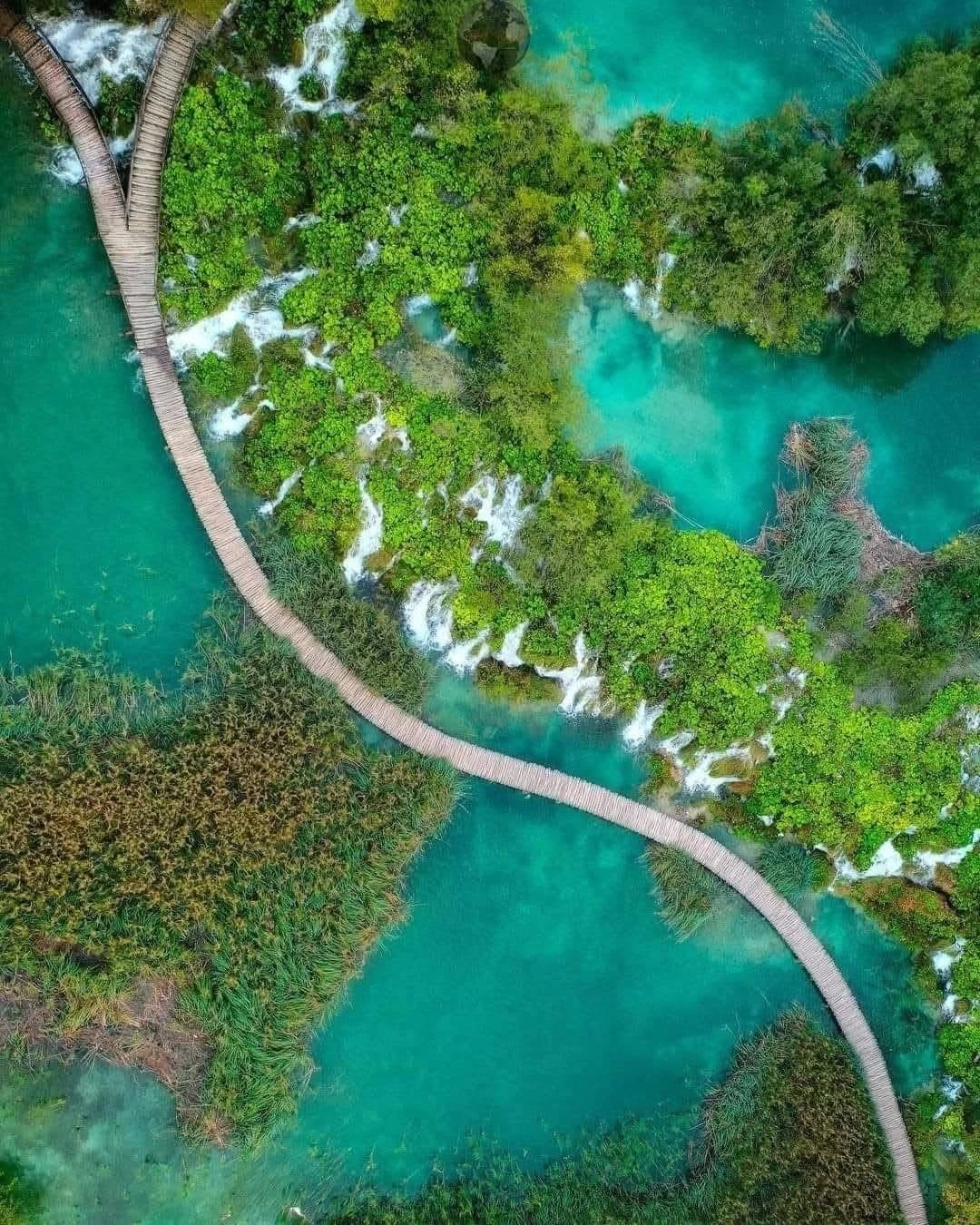
Plitvice Lakes National Park is Croatia’s most spectacular natural wonder — a UNESCO World Heritage Site since 1979 and the largest national park in the country. The park is a 295-square-kilometre forested karst plateau in the highlands between Zagreb and the Dalmatian coast, but the visitor experience is concentrated on a five-kilometre stretch of cascading lakes: sixteen turquoise lakes connected by ninety waterfalls, threaded together by wooden boardwalks that take you almost close enough to touch the water.
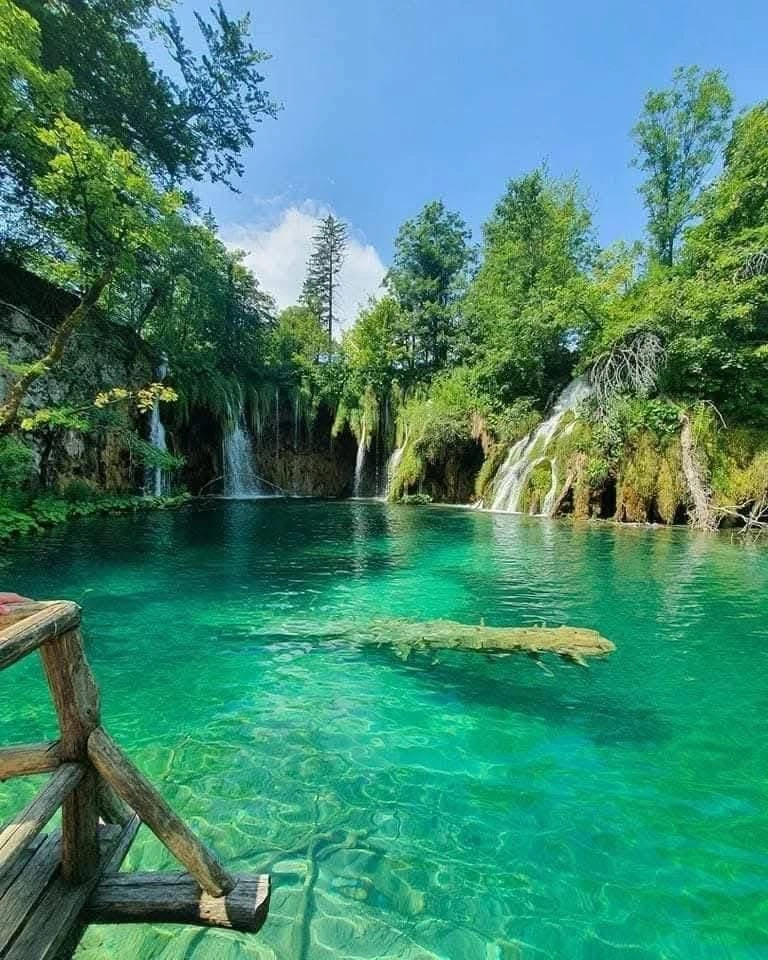
The lakes themselves are famous for their unearthly turquoise color — the result of the high mineral content of the karst rock and the constant deposition of travertine, the chalky tufa that forms the lakes’ walls and is, even now, slowly creating new waterfalls.
Why Visit Plitvice Lakes
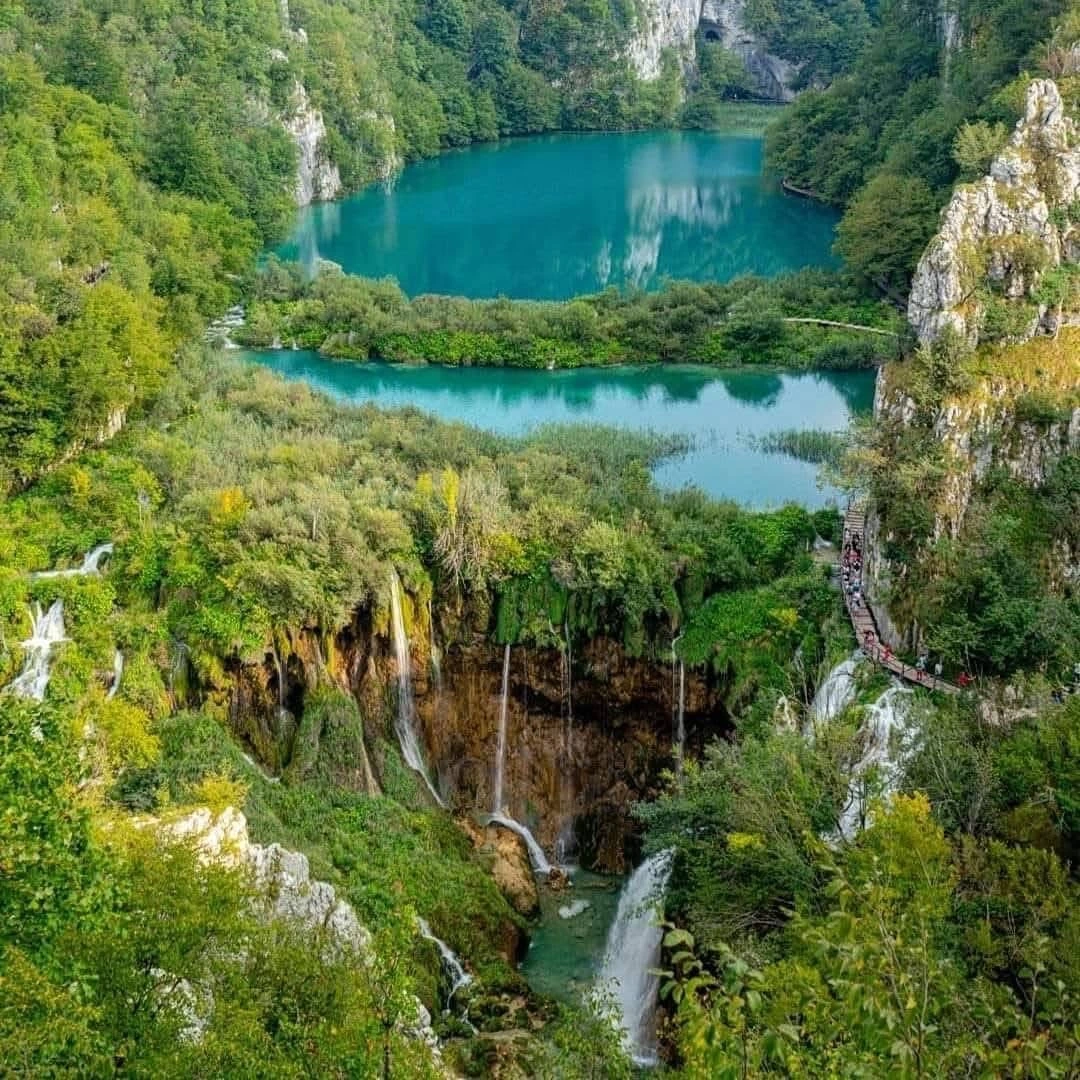
There is nothing quite like Plitvice in Europe. The combination of impossibly blue water, lush forests, and a network of wooden walking paths that take you across, between, and almost over waterfalls creates one of the most photogenic landscapes in the world. The park is divided into the Lower Lakes (where the largest waterfall, Veliki Slap, drops 78 metres) and the Upper Lakes (a quieter chain of cascading pools through the forest). A typical visit walks across both, with electric boats and shuttle buses connecting the sections.
For luxury travelers, Plitvice rewards a one-night stay rather than a day trip — staying in one of the park’s lakeside hotels or in a refined nearby villa lets you enter at the 7am opening, before the day-tripper buses arrive, and have the most magical hours of the day to yourself.
Top Things to Do at Plitvice
- Walk the Lower Lakes. The shorter and more dramatic half of the park — ending at Veliki Slap, the 78-metre Great Waterfall, the largest in Croatia. The classic Programme C route covers this in about 4 hours.
- Walk the Upper Lakes. A longer, more peaceful chain of forested cascades. The full park traverse (Programme H or K) takes 6–8 hours and covers both lake systems.
- Take the electric boat across Lake Kozjak. The largest lake in the park is crossed by silent electric boats — a magical 20-minute trip between the upper and lower sections.
- Climb to Hotel Jezero viewpoint. The classic panoramic view of the upper lakes is from the path above Hotel Jezero — the green-and-turquoise vista that appears in every postcard of the park.
- Photograph the Great Waterfall. Veliki Slap is best photographed from the wooden boardwalk that crosses directly in front of it — morning light is the best.
- Walk the forest trails. Beyond the famous boardwalks, the park has 16 km of marked forest trails — most visitors miss them entirely. The route to the Galovac waterfall area is especially beautiful.
- Visit in autumn for the colors. Late September into October is the connoisseur’s season — the beech and maple forests around the lakes turn red, gold, and amber, with the turquoise water below.
Where to Eat near Plitvice
Inside the park itself, dining is functional rather than memorable — the restaurants at Hotel Jezero and Hotel Plitvice serve standard hotel fare. The best meals in the area are in the village of Korenica or the surrounding farmsteads. Lika Restaurant at Etno selo Lika offers the regional speciality — lamb cooked under the iron bell (peka) — in a traditional setting. Restaurant Vila Velebita nearby serves Lika-style game and trout. For a more refined meal, drive 30 minutes to Korenica’s Restaurant Lavanda.
Where to Stay near Plitvice
Inside the park, Hotel Jezero is the largest and most convenient hotel — functional but with the best access. Hotel Plitvice and Hotel Bellevue are the smaller options. For a more refined experience, the surrounding villages offer wonderful boutique stays: Plitvice Holiday Resort with its glamping treehouses, Ethno Houses Plitvica Selo in restored stone cottages, and several luxury private villa rentals in the area. Staying inside or directly adjacent to the park is essential for the early-morning entry strategy.
How to Get to Plitvice Lakes
Plitvice sits roughly halfway between Zagreb (2 hours north) and Split (2.5 hours south) on the A1 motorway, then a short stretch on the older D1 road. The closest airports are Zagreb (ZAG, 2 hours) and Zadar (ZAD, 2 hours). Buses run frequently from Zagreb and Split. Most travelers arrive by rental car, which gives you the flexibility to enter the park at opening and explore the surrounding Lika region.
Best Time to Visit Plitvice Lakes
Late April through June is the peak waterfall season — spring snowmelt makes the falls thunder. September and October are spectacular for autumn colors with smaller crowds. July and August are beautiful but very busy — the boardwalks can become bottlenecks at midday. Winter visits are extraordinary if you’re prepared: the falls partially freeze, the snow-covered forests are silent, and the park is almost empty (some sections may close for safety). Visit in April or October to combine fewer crowds with full water flow.
Practical Tips
- Buy tickets online in advance — from June through August, daily entry is capped and same-day tickets sell out.
- Enter at 7am opening. The first two hours are the most magical — fewer people, soft morning light, and you can complete the Lower Lakes loop before the day-trip buses arrive at 10am.
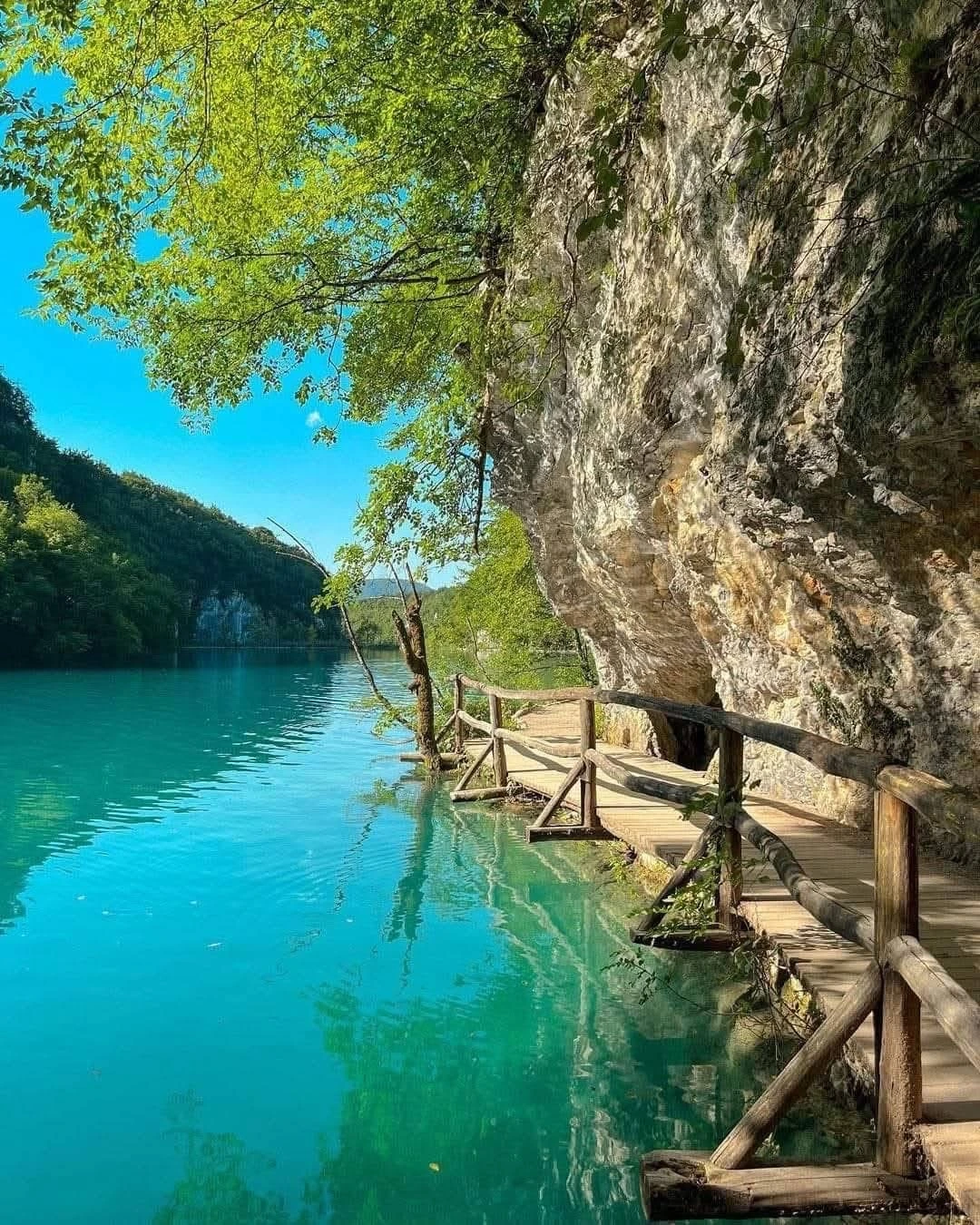
- Wear proper walking shoes — the boardwalks are wet, narrow, and have no railings in many sections.
- Swimming is not permitted anywhere in the park.
- Programme C is the best half-day option (covers Lower Lakes and Veliki Slap). Programme H is the full traverse for serious walkers.
- Cell signal inside the park is patchy — download a trail map before entering.
Frequently Asked Questions
Is Plitvice Lakes worth visiting?
Yes — Plitvice Lakes is Croatia’s most spectacular natural wonder and a UNESCO World Heritage Site. Sixteen turquoise lakes connected by ninety waterfalls and threaded by wooden boardwalks make Plitvice one of the most photogenic landscapes in Europe. Plan to enter at the 7am opening to experience it before the day-trip buses arrive.
How many hours do you need at Plitvice Lakes?
A focused half-day (4 hours) covers the Lower Lakes including the 78-metre Veliki Slap waterfall via Programme C. A full day (6–8 hours) for both Upper and Lower Lakes via Programme H or K. Stay overnight nearby and enter at opening for the most magical hours of the day.
Can you swim at Plitvice Lakes?
No — swimming is not permitted anywhere inside Plitvice Lakes National Park. The lakes are protected for the unique travertine-deposit ecology that creates the waterfalls, and any contact with the water disrupts that process. For swimming under waterfalls, head to Krka National Park instead (1.5 hours south).
What is the best month to visit Plitvice Lakes?
Late April through June is peak waterfall season — spring snowmelt makes the falls thunder. September and October are spectacular for autumn colors with smaller crowds. July and August are beautiful but very busy. Winter visits are extraordinary if prepared — the falls partially freeze and the snow-covered forests are silent.
Can you visit Plitvice from Zagreb in a day?
Yes — Plitvice is a 2-hour drive south of Zagreb, and many travelers visit as a long day trip. However, staying overnight inside or near the park lets you enter at the 7am opening before the day-trip buses arrive, which is the most magical part of the experience.
Plan Your Croatia Trip
Plitvice pairs naturally with Zagreb, Zadar, and the rest of the Dalmatian coast. Most travelers visit Plitvice as a one-night stop on the drive between Zagreb and the Adriatic. See our Croatia National Parks Guide and 7 Day Croatia Itinerary for trip planning ideas.
For private boat days, villa introductions, or full Croatian weeks, see our concierge enquiries page.