Northern Croatia
Zagreb
Croatia’s Capital
Welcome to Zagreb
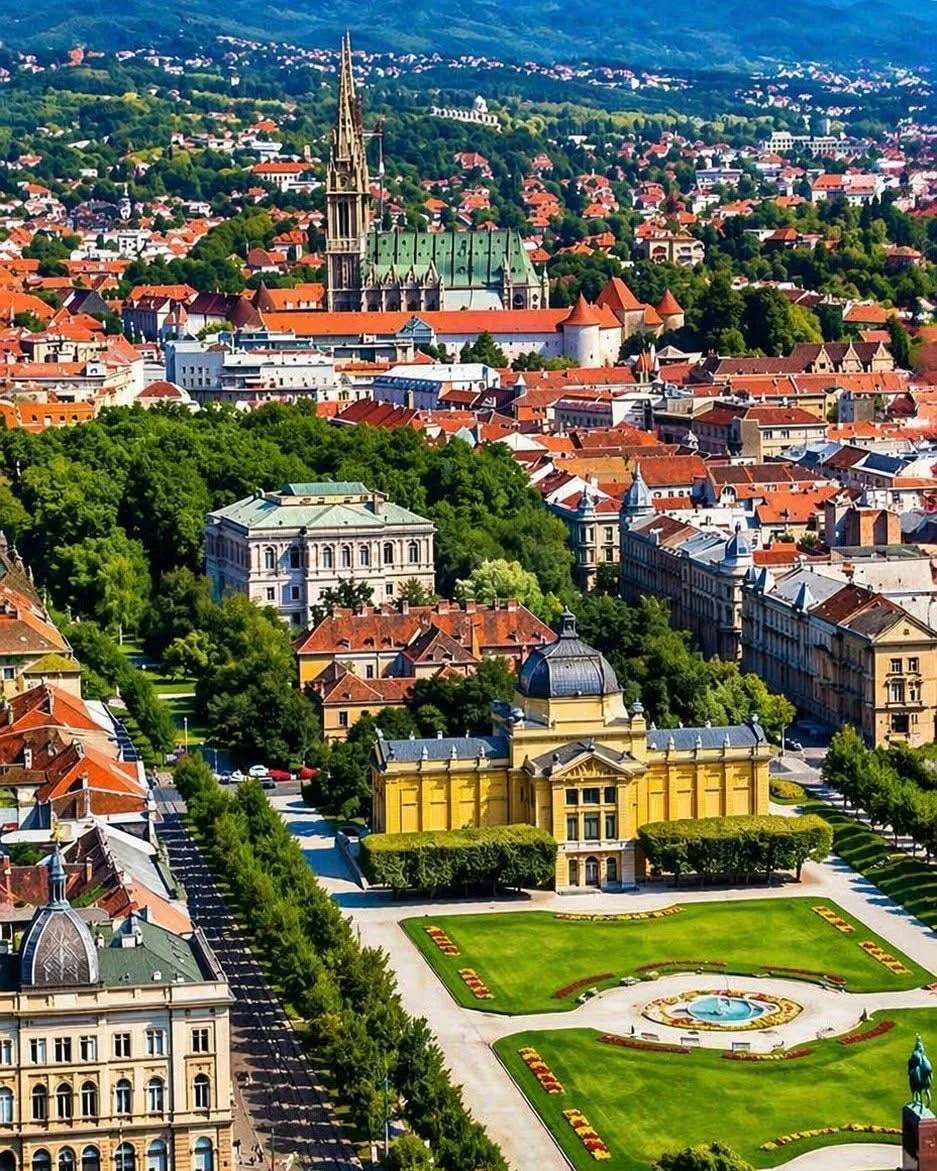
Zagreb is Croatia’s capital and largest city — a country apart from the Adriatic coast that visitors often skip on the way to Dalmatia. They shouldn’t. Zagreb is one of Central Europe’s most charming capitals: a layered city of medieval upper town, Habsburg-era squares, art-nouveau passages, and one of the most thriving café cultures on the continent. The Croatian capital has the architecture and the cultural heritage of Vienna or Budapest, the size of a manageable European city you can walk in two days, and — unlike most capitals — a personality that hasn’t been polished smooth for tourists.
This Zagreb travel guide covers the best things to do, where to eat, where to stay, and how to plan a luxury visit to Croatia’s vibrant capital.
Why Visit Zagreb
Zagreb’s pleasures are slow ones. Mornings begin in one of the city’s many cafes — the španciranje, or aimless café stroll, is a national institution. The Upper Town (Gornji grad) is a tangle of medieval streets, climbed by Europe’s shortest funicular; the Lower Town (Donji grad) is a grid of leafy 19th-century boulevards lined with museums, parks, and Austro-Hungarian palaces. Zagreb has more museums per capita than almost any city in Europe — including the famous Museum of Broken Relationships and the wonderfully strange Museum of Hangovers — plus a serious classical music and theatre scene at the Croatian National Theatre.
For luxury travelers, Zagreb is an excellent two-day cultural opener before heading to the coast — sophisticated hotels, fine dining, museums, and shopping that Dalmatia simply doesn’t offer.
Top Things to Do in Zagreb
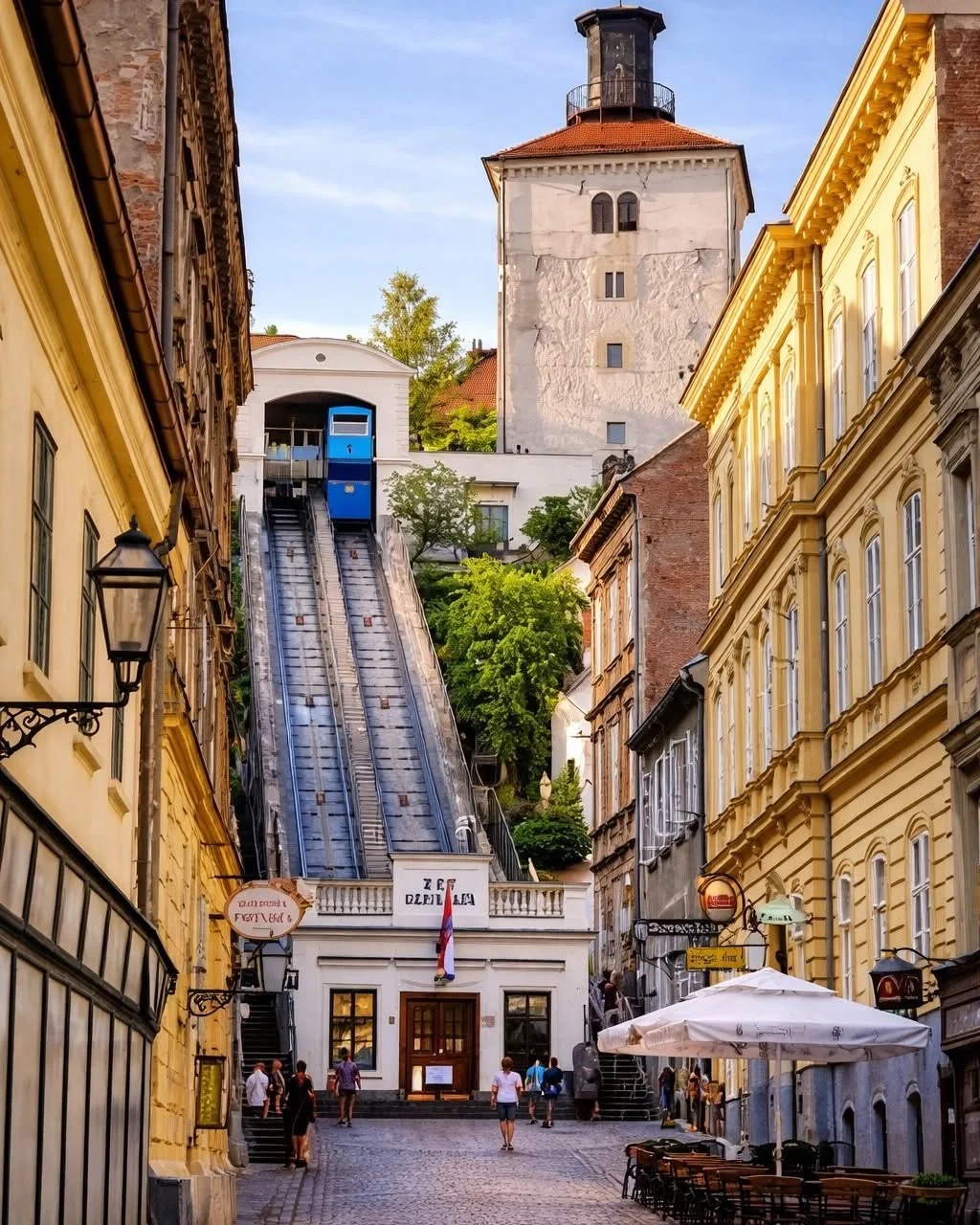
- Walk through the Upper Town. Gornji grad is Zagreb’s medieval heart — cobblestone streets, the iconic colorful-tiled roof of St Mark’s Church, the Stone Gate (a 13th-century chapel built into a medieval gate), and the daily noon firing of the cannon from Lotrščak Tower.
- Ride the funicular. The 66-metre Zagreb funicular has connected the upper and lower towns since 1890 — it’s officially Europe’s shortest funicular and one of the most charming.
- Visit the Museum of Broken Relationships. Zagreb’s most famous museum: a permanent collection of objects donated by people commemorating their failed relationships, each with a poignant or hilarious story. Surprisingly moving.
- See Zagreb Cathedral. The 13th-century Cathedral of the Assumption — Croatia’s tallest building — is currently undergoing major reconstruction following the 2020 earthquake, but the exterior remains one of the city’s defining sights.
- Stroll Tkalčićeva Street. The pedestrianized cafe street that runs along a medieval stream-bed — this is where Zagreb gathers in the evening for drinks, dinner, and people-watching.
- Wander the Dolac Market. The open-air central market just above Ban Jelačić Square has been the heart of Zagreb’s food culture since 1930. The fish hall, the upper produce stalls, and the lower meat hall are all worth a visit.
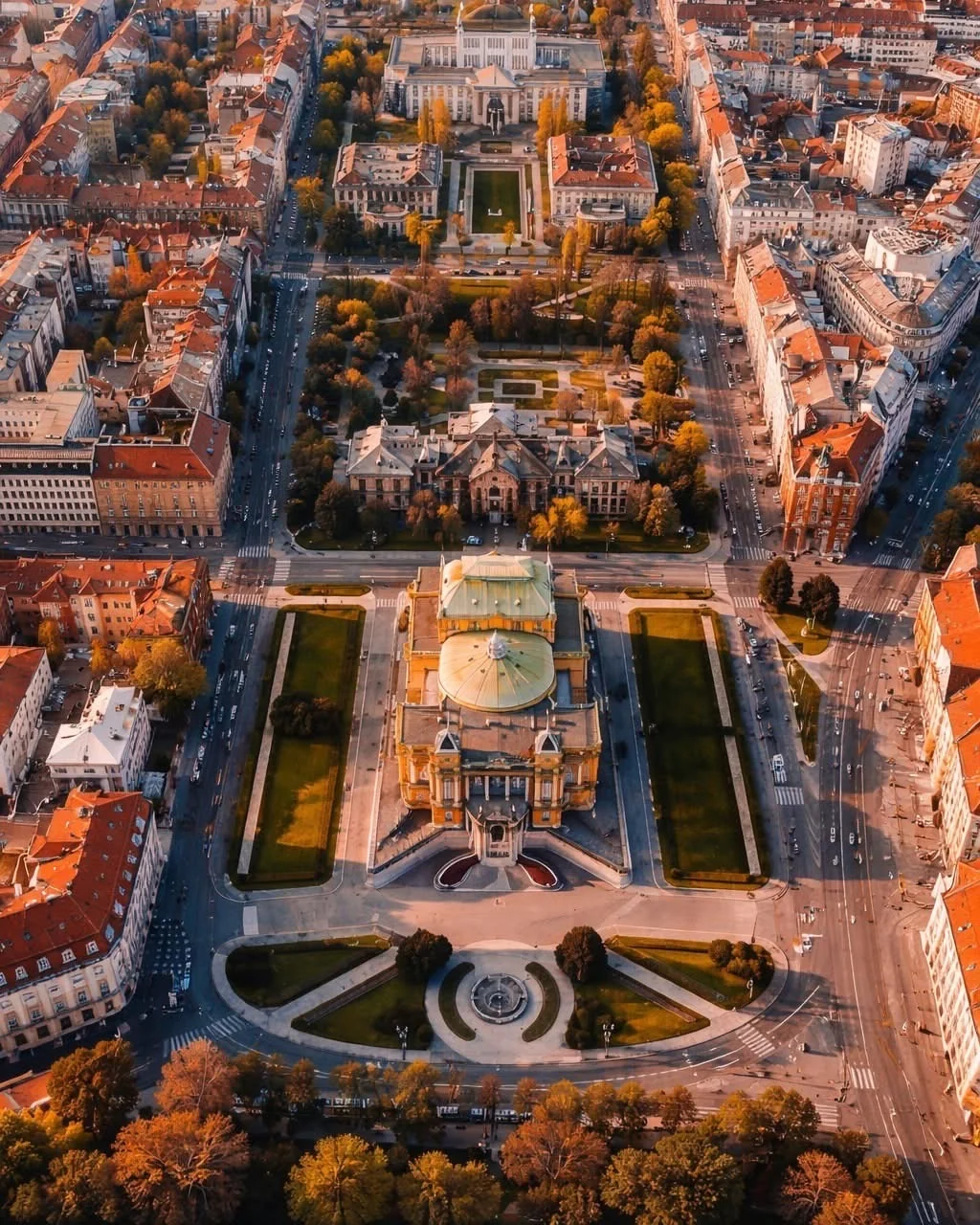
- Walk the Lenuci Horseshoe. The U-shaped chain of seven parks and squares laid out in the 1880s — lined with the National Theatre, the Art Pavilion, the Mimara and Mestrovic museums, and the Botanical Garden.
- Day trip to Plitvice Lakes. Croatia’s most spectacular national park is just a 2-hour drive south — a long but doable day trip from Zagreb.
- Day trip to Samobor or Zagorje. The medieval town of Samobor (40 minutes west) is famous for cream-cake pastries; the rolling hills of Zagorje, with their fairy-tale castles (Trakošćan, Veliki Tabor), are a 60-minute drive north.
Where to Eat in Zagreb
Noel holds Zagreb’s only Michelin star and is one of the finest restaurants in Croatia — modern fine dining in an elegant downtown room. Mundoaka Street Food is the casual, creative-fusion local favorite. Vinodol, in the heart of downtown, is the long-standing Croatian classic for traditional dishes (the lamb peka under an iron bell is unmissable). Time, hidden on a quiet street, serves elegant Mediterranean cooking with a serious wine list. For a coffee or aperitif, Elišabetin, Velvet, and the cafes of Tkalčićeva are the Zagreb classics.
Where to Stay in Zagreb
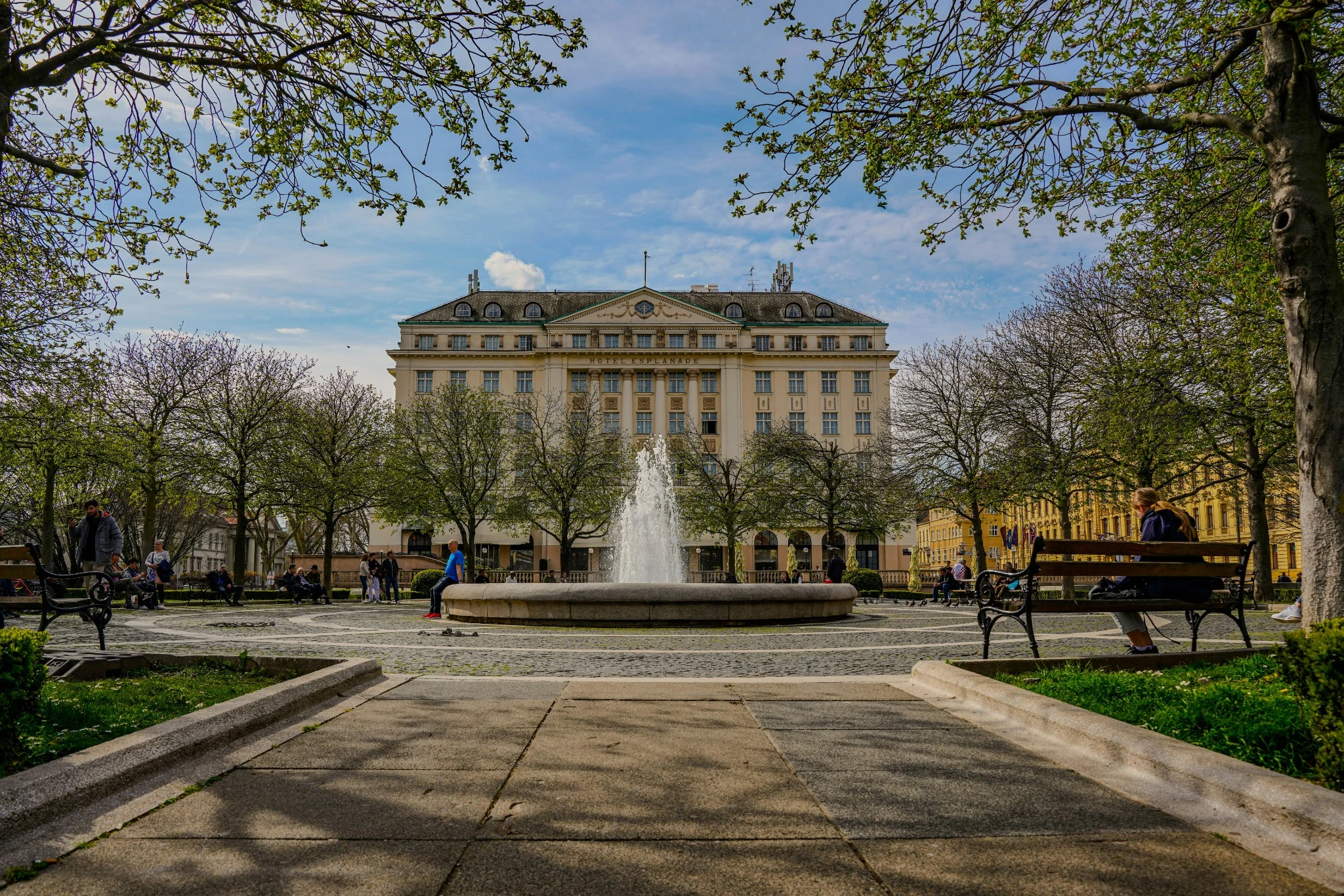
The Esplanade Zagreb is the city’s grande dame and the most evocative place to stay in the Croatian capital. Built in 1925 by the directors of the Compagnie Internationale des Wagons-Lits as a stop for the Orient Express, the Esplanade was designed to give passengers travelling between Paris and Istanbul a hotel worthy of the journey. Almost a century later, the Art Deco lobby, the marble staircase, the chandeliered Emerald Ballroom, and Zinfandel’s restaurant are all intact. The hotel sits opposite the Botanical Garden and is a five-minute walk from the central square — a setting more like an embassy than a hotel. Past guests have included Queen Elizabeth II, Charles Lindbergh, Orson Welles, Louis Armstrong, and most of the inter-war diplomatic class. For a first night in Zagreb, there is nothing else to consider.
For travellers wanting a more contemporary five-star alternative, Hotel Capital in the Lower Town is the polished modern choice; Hotel Jadran is the boutique heritage option just off the central square; and the new wave of design-led hotels in restored Habsburg buildings — Amadria Park Hotel Capital among them — round out the upper end of the Zagreb hotel landscape.
How to Get to Zagreb
Zagreb has Croatia’s largest international airport (ZAG), 17 km southeast of the city, with direct connections from across Europe and the Middle East. The airport bus reaches the central bus terminal in about 25 minutes. Zagreb is the country’s main rail hub — direct trains run to Vienna, Munich, Budapest, and Belgrade. By road, Zagreb is 4 hours from Split and 6 hours from Dubrovnik via the A1 motorway.
Best Time to Visit Zagreb
Zagreb is a year-round city, unlike the coast. April through June and September through October are the most pleasant — warm but not hot, blue skies, full café terraces. The Advent in Zagreb Christmas market (late November to early January) has been voted Europe’s best Christmas market multiple times — a magical time to visit. July and August are warm but quieter than the coast (most locals leave for the sea). Winter is cold but the museums, restaurants, and theatres are at their busiest.
Practical Tips
- The Upper and Lower towns are both walkable — the funicular is a fun experience but only saves a 5-minute climb.
- Don’t miss the noon cannon from Lotrščak Tower (every day since 1877).
- The Sunday morning market on the cathedral square (in summer) is excellent for crafts, antiques, and local foods.
- Most museums close on Mondays — plan accordingly.
- Zagreb’s tap water is excellent — known as one of the best municipal waters in Europe.
Frequently Asked Questions
Is Zagreb worth visiting?
Yes — Zagreb is one of Central Europe’s most charming capitals and an excellent cultural opener before heading to the Croatian coast. The medieval Upper Town, the Habsburg-era Lower Town, the Museum of Broken Relationships, and one of Europe’s strongest café cultures make Zagreb worth two full days. Don’t skip it.
How many days do you need in Zagreb?
Two days is the sweet spot. Day one for the Upper Town (St Mark’s Church, Stone Gate, Lotrščak Tower), the funicular, and Tkalčićeva Street. Day two for the Lower Town’s museums, the Lenuci Horseshoe parks, and the Dolac market. A third day lets you add a day trip to Plitvice or the Zagorje castles.
What is Zagreb known for?
Zagreb is known for its medieval Upper Town and 13th-century cathedral, for the colorful-tiled roof of St Mark’s Church, for Europe’s shortest funicular connecting upper and lower town, for the unique Museum of Broken Relationships, and for the Advent in Zagreb Christmas market — voted Europe’s best multiple times.
Is Zagreb safe?
Yes — Zagreb is consistently rated one of the safest capital cities in Europe. Crime rates are very low, the city is well-lit at night, and the central districts are entirely walkable at any hour. Standard travel precautions apply, but Zagreb feels noticeably safer than most Western European capitals.
How do private transfers and concierge services work in Zagreb?
Zagreb International (ZAG) has a dedicated FBO terminal handling private-jet arrivals year-round (NetJets and most major operators serve Zagreb). The Esplanade Zagreb Hotel — the 1925 art-nouveau railway grande dame — and the contemporary Hotel Capital both run full concierge services: chauffeured Mercedes-Maybach transfers, private museum tours after closing hours at the Mestrovic Atelier, priority bookings at the Michelin-starred Noel, and helicopter excursions to Plitvice Lakes (a 35-minute flight). Most luxury travelers spend two nights in Zagreb as a cultural opener before continuing to the coast by private helicopter or chauffeur.
Plan Your Croatia Trip
Zagreb pairs naturally with Plitvice Lakes, the Zagorje region (castles), and as the gateway to the Dalmatian coast. Most travelers spend 2 days in Zagreb before heading south. See our Croatia Travel Guide and 7 Day Croatia Itinerary for trip planning ideas. For private guides, restaurant introductions, or full Zagreb weeks, see our concierge enquiries page.