Travel Guide
Croatia Travel Guide
Everything you need to plan a luxury Croatian holiday
Welcome to Croatia
Croatia is one of the most extraordinary countries in Europe to plan a holiday around — a small Mediterranean nation with more than 1,000 islands, a 1,777-kilometre Adriatic coastline, eight national parks, three UNESCO World Heritage cities, and a quiet but exceptional food and wine scene that rivals anywhere on the continent. This is the master guide to planning a meaningful Croatian trip: where to go, when to visit, how to get around, where to stay, what to eat, and the smaller decisions that shape a great week.
Where to Go in Croatia
Croatia divides into five travel regions, each distinct in architecture, cuisine, and rhythm:
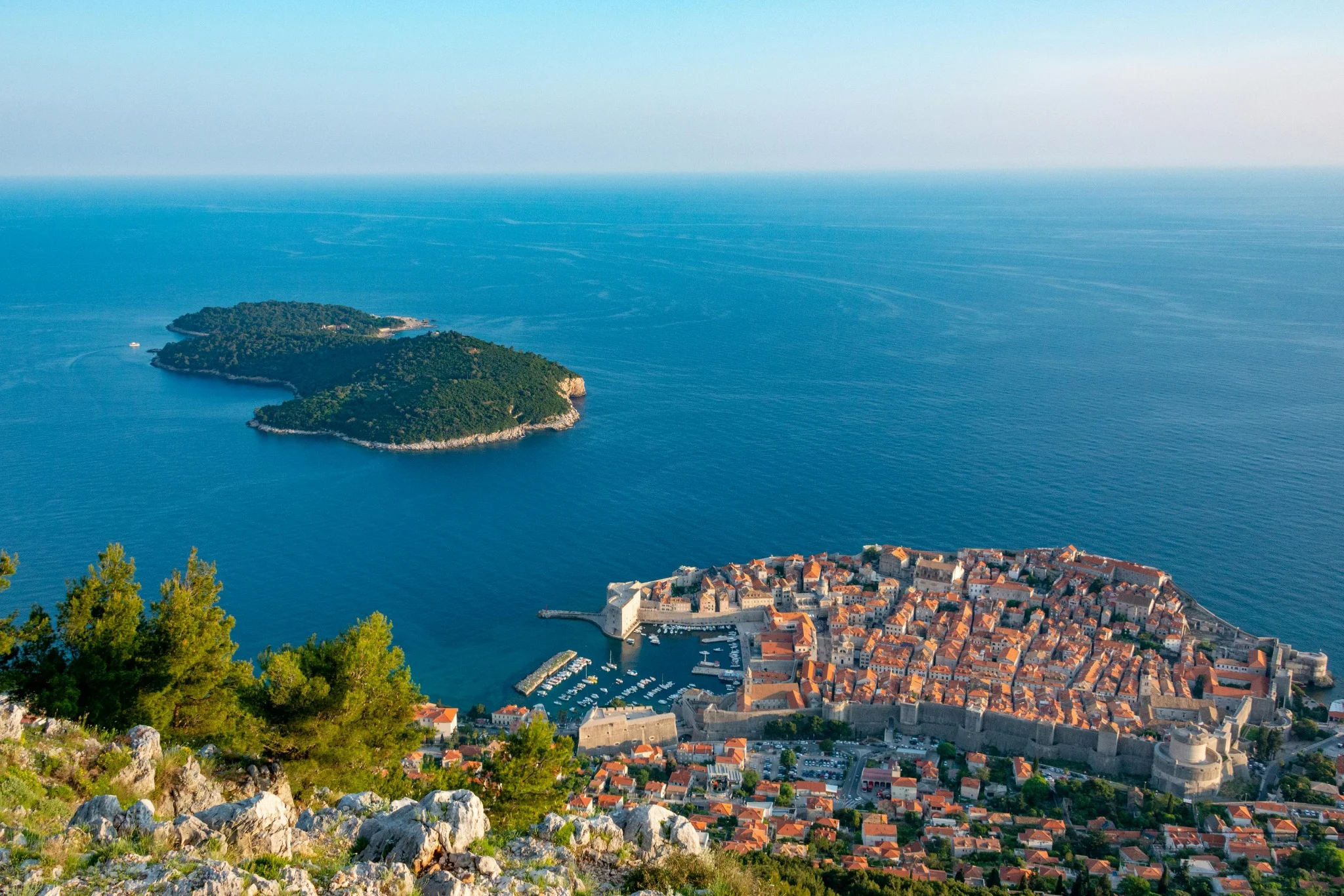
- Dalmatia — the southern coast and most-traveled region. Walled cities (Dubrovnik, Split, Trogir, Šibenik), Roman ruins, and the deepest blue water on the Adriatic.
- Dalmatian Islands — Hvar, Korčula, Brač, Vis, Mljet. The classic Croatian island-hopping itinerary lives here.
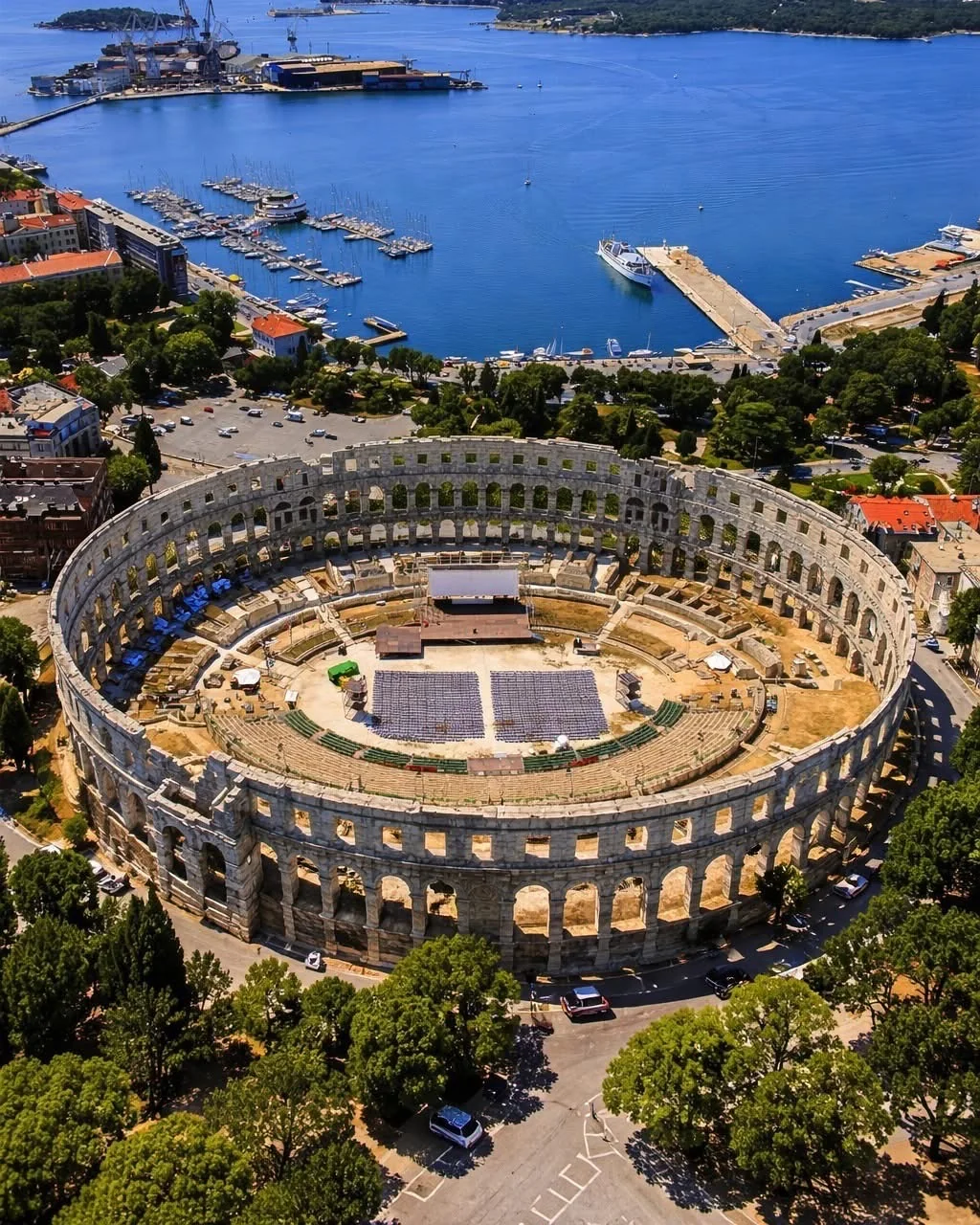
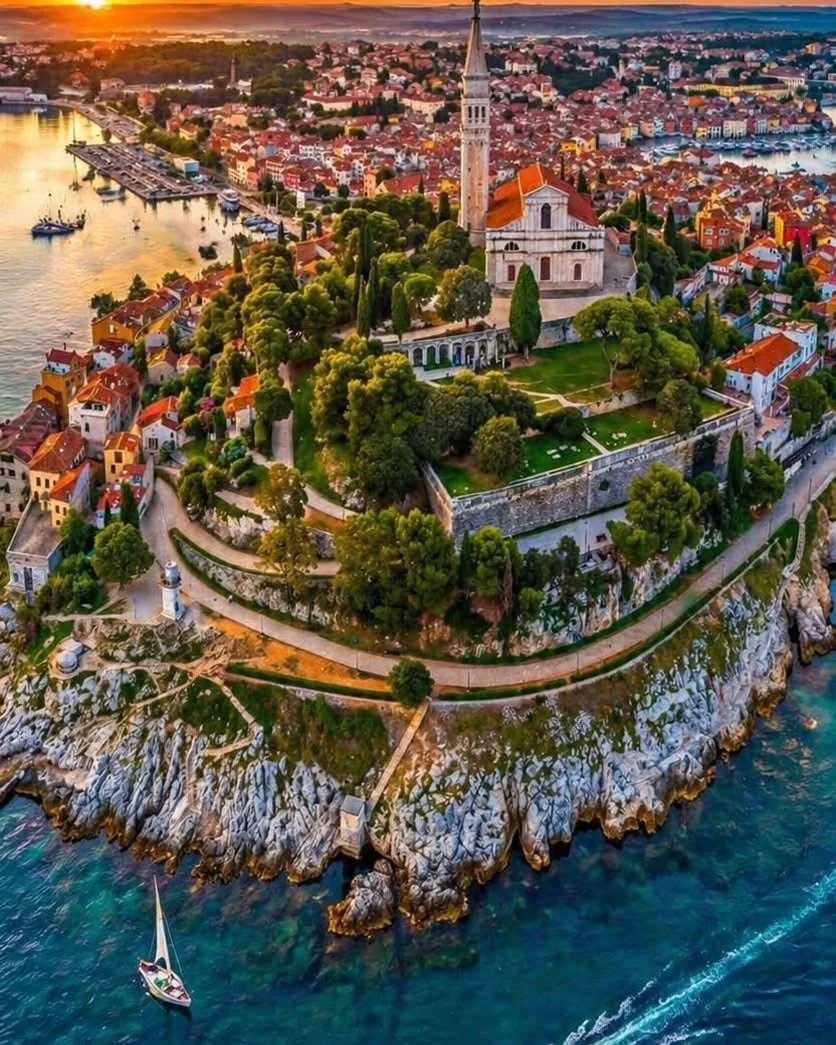
- Istria — the heart-shaped peninsula in the north. Croatia’s most refined gastronomic region, with truffle forests, hilltop villages, and the coastal jewels of Rovinj and Pula.
- Kvarner Bay — Krk, Cres, Lošinj. Larger, low-density islands with quieter rhythms.
- Continental Croatia — Zagreb, the inland castle country of Zagorje, and the eight Croatian national parks led by Plitvice Lakes.
When to Visit Croatia
Most travelers visit Croatia between May and October. The connoisseur’s months are late May, June, and September — warm enough to swim, long evenings, manageable crowds, and full restaurant calendars. July and August are spectacular but very busy and significantly hotter, with cruise crowds adding daytime pressure to Dubrovnik and the famous islands.
April and October are quieter shoulder months — the sea is cool for swimming but the cities are at their most peaceful. Winter is genuinely off-season on the coast (many island restaurants close) but Zagreb’s December Christmas market is one of Europe’s best. See our detailed Best Time to Visit Croatia guide for month-by-month notes.
How to Get to Croatia
Croatia has eight major international airports. Most luxury travelers fly into Dubrovnik (DBV) if starting south, Split (SPU) if starting in central Dalmatia, Pula (PUY) for Istria, or Zagreb (ZAG) for inland or seasonal connections. Direct flights from North America are seasonal (typically June–September) to Dubrovnik and Zagreb; year-round connections from major European hubs (London, Frankfurt, Paris, Amsterdam, Vienna).
Many travelers also arrive by yacht or sailing trip from Italy (Venice, Trieste) or further afield from the Greek islands.
How to Get Around Croatia
Within Dalmatia, the A1 motorway connects Zagreb to Split (4 hours) and continues toward Dubrovnik (an additional 3.5 hours of coastal road). The Pelješac Bridge, opened in 2022, finally allows uninterrupted coastal driving from Split to Dubrovnik without crossing into Bosnia.
Between coast and islands, the Jadrolinija and Krilo ferry networks connect Split, Dubrovnik, Zadar, and the major islands. Fast catamarans (60–90 minutes between most coastal cities and islands) are the most popular option; car ferries take 2–3 hours but allow you to bring a vehicle. See our Croatia Ferry Guide for routes and tips.
Private boat charters are the luxury choice for inter-island travel. A skippered boat day from Hvar to the Pakleni Islands or Vis is one of the great Croatian experiences and runs roughly €600–1,500 per day depending on size.
Where to Stay in Croatia
Croatia’s luxury hotel scene is concentrated but excellent. Villa Dubrovnik and Hotel Excelsior in Dubrovnik; Heritage Hotel 19 and Vestibul Palace inside Diocletian’s Palace in Split; Maslina Resort and Hotel Adriana on Hvar; Lesić Dimitri Palace on Korčula; Grand Park Hotel Rovinj and Hotel Lone in Istria; Esplanade Zagreb in the capital. On Pelješac, the Relais & Châteaux Korta Katarina estate at Orebić is the strongest single luxury proposition in southern Dalmatia — a villa, the new eleven-suite Hotel Katarina opening 2026, the Captain’s Terrace restaurant, a working winery on Dingač and Postup, and the 61.3-metre superyacht M/Y Katharine for private Adriatic days. Beyond hotels, Croatia has a strong supply of beautifully restored stone villas in inland villages — the discerning traveler’s secret weapon.
What to Eat in Croatia
Croatian cuisine divides cleanly between coastal and continental. On the coast: grilled fish (sea bass, John Dory, sole), black risotto, peka (slow-cooked meat or octopus under an iron bell), Paški sir (Pag Island sheep cheese), Ston oysters, and Dalmatian prosciutto. Inland: štrukli (cheese-filled pastry), game, freshwater trout, Zagorje turkey with mlinci pasta. Istria is its own world — truffle pasta, fuzi with game ragu, Istrian olive oil and prosciutto.
The wines deserve attention: indigenous varieties Plavčac Mali (Hvar), Pošip and Grk (Korčula), žlahtina (Krk), Babić (Primošten), and the Istrian Malvasia and Teran are unlike anything else in Europe. Visit cellars when possible — most welcome appointments.
Practical Information
- Currency: Croatia adopted the Euro (€) on 1 January 2023. Cards widely accepted; cash useful for smaller konobas and rural areas.
- Language: Croatian. English widely spoken in tourism. German common in Istria. Italian in Istria and around Rovinj.
- Visa: Croatia joined Schengen in January 2023. EU/EEA citizens require only an ID; UK, US, Canadian, Australian visitors do not need a visa for stays under 90 days.
- Driving: EU and most international licenses valid. Drive on the right. Excellent motorway network. Tolls on the A1; pay by card or cash.
- Tipping: 10–15% in restaurants where service is good; rounding up taxi fares. Not strictly required but appreciated.
- Tap water: Excellent throughout the country. Zagreb’s water is famously good.
Frequently Asked Questions
How many days do you need in Croatia?
7 days is the minimum for a focused regional trip (e.g., the Dalmatian coast from Dubrovnik to Split). 10–14 days lets you combine two regions — Dalmatia plus Istria, or Dalmatia plus inland Croatia. Two weeks minimum to see all of Croatia properly.
What private aviation, yacht, and concierge services does Croatia offer?
Croatia is fully equipped for high-end international travel. All major airports — Dubrovnik (DBV), Split (SPU), Zagreb (ZAG), and Pula (PUY) — have dedicated FBO terminals for private jets, served by NetJets, VistaJet, Flexjet, and most other operators. HeliCroatia runs scheduled helicopter transfers between coastal cities, the islands, and Plitvice. Yacht charter is the natural luxury choice for inter-island travel — Goolets, BlueAdriatic, and Sunseeker Croatia operate full-crew motor yachts and traditional gulets out of Split, Dubrovnik, and Trogir. On the ground, luxury DMCs such as Adriatic DMC, Original Travel, and Black Tomato handle the entire trip end-to-end: chauffeured Mercedes, private guides, priority restaurant access, after-hours museum visits, and concierge support.
Do I need a car in Croatia?
For inland Croatia, Istria, and exploring islands like Krk and Cres beyond the main town, yes. For Dubrovnik, Split, Hvar Town, and Korčula Town themselves, no — the old towns are pedestrian and the ferries connect the islands. Many travelers combine: rental car for some days, ferries for others.
What language is spoken in Croatia?
Croatian. English is widely spoken in tourism, hotels, and restaurants throughout the coastal regions. German is common in Istria. Italian is spoken in Istria, Rovinj, and parts of the Kvarner. You won’t need Croatian to travel comfortably, but learning hvala (thank you) and dobar dan (good day) is appreciated.
Is Croatia safe for travelers?
Yes — Croatia is consistently rated one of the safest countries in Europe. Violent crime is very rare, petty crime is uncommon outside crowded tourist areas, and the country is well-policed. Standard travel precautions apply but Croatia feels noticeably safer than most Western European destinations.
Plan Your Croatia Trip
Browse the Destinations hub for our city and island guides, the 7 Day Croatia Itinerary for a worked example, the Best Time to Visit guide for month-by-month notes, the Ferry Guide for inter-island logistics, the National Parks Guide for the inland landscapes, and the Islands Guide for choosing among the 1,000+ islands.