Travel Guide
Best Time to Visit Croatia
Month by month for the luxury traveller
The Connoisseur’s Months
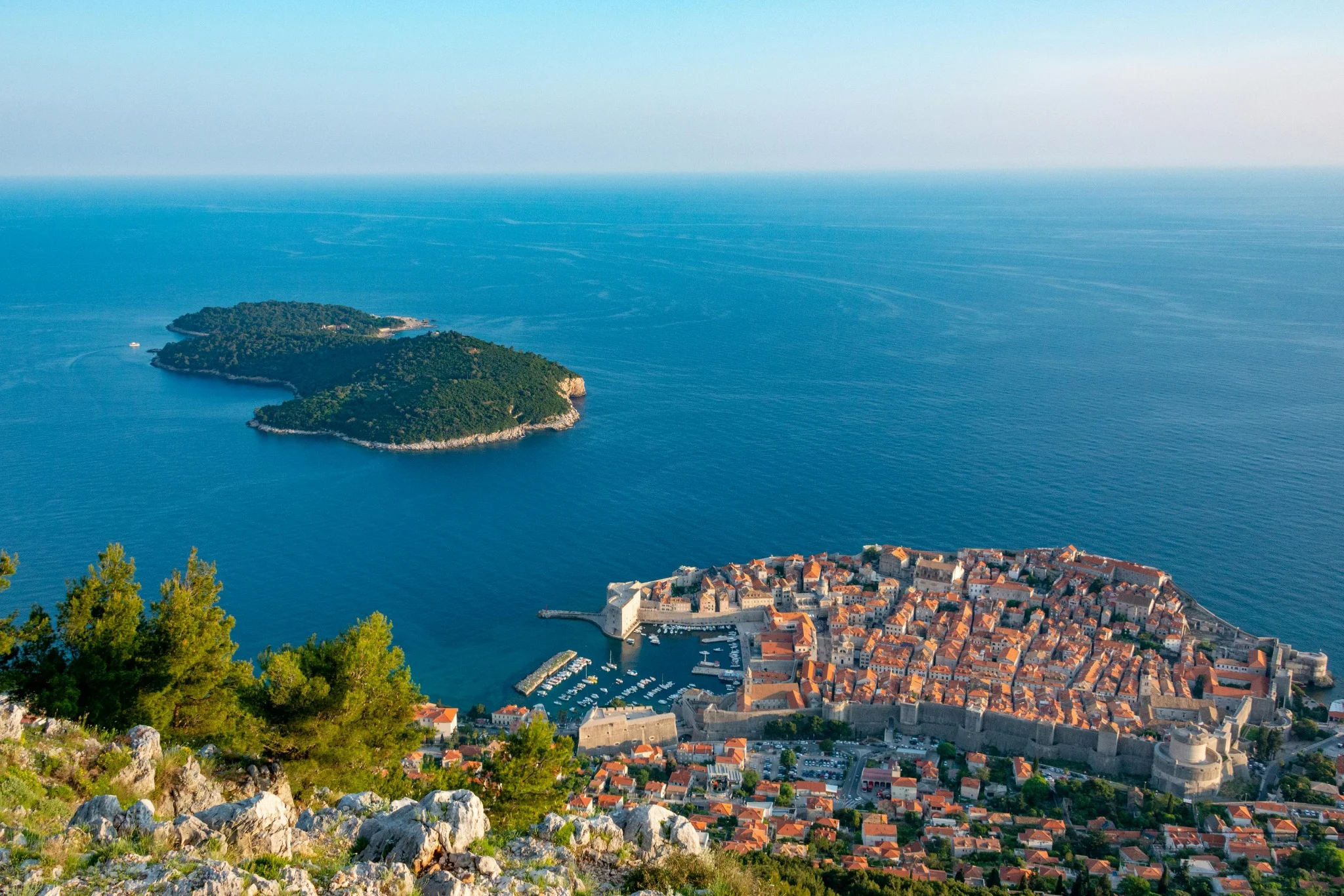
For the luxury traveller, the perfect Croatian months are late May, June, and September. The Adriatic is warm enough to swim, the long evenings stretch past nine, the cruise crowds have not yet arrived (or have already left), the restaurants are open and the wines are pouring, and the islands feel like the country’s well-kept secret rather than its high-summer destination. July and August are spectacular but full; April and October are quieter and cooler; the winter months are atmospheric but limited. This guide breaks Croatia down month by month for travellers who want to time the trip precisely.
January & February — Quietest Months
The depths of the Croatian winter. The coast is quiet — many island restaurants and small hotels close — and ferries run reduced timetables. Zagreb, however, is at its most charming: the Christmas market runs through early January, the Habsburg-era cafes are warm and full, and the city’s museums are uncrowded. Inland, the Plitvice Lakes are extraordinary in snow but the trails close in heavy weather. Average coastal temperatures: 5–10°C / 41–50°F.
March & April — Spring Awakening
The coast emerges from winter. Hotels reopen through March, ferries resume their summer schedules in early April, and the famous Mali Ston oysters are at their peak (the Festival of Oysters is around 19 March). The almond and cherry blossom across the Dalmatian coast is exceptional in late March. The sea is still cool for swimming — mid-teens — but the cities and inland landscapes are at their most peaceful. Average coastal temperatures: 11–18°C / 52–64°F.
May — The First Connoisseur’s Month
The first of the three perfect months. Late May warms the Adriatic enough for serious swimming (sea around 20°C / 68°F), the days stretch long, the islands are settled and beautiful but uncrowded, and the restaurant scene is fully running. The lavender fields on Hvar begin to show colour. The wineries are receiving visitors but the harvest is still months away. Average coastal temperatures: 18–23°C / 64–73°F.
June — The Sweet Spot
Arguably the single best month for Croatia. Long warm days, settled weather, the Adriatic at full swimming temperature (22–24°C / 72–75°F), the lavender bloom on Hvar at its peak in the last ten days, restaurants and hotels at full pressure but not yet at the high-summer crush. Private boat charters are widely available and not yet at peak rates. Average coastal temperatures: 22–27°C / 72–81°F.
July & August — Peak Summer
The two warmest, busiest, most spectacular months. The Adriatic is at peak temperature (25–27°C / 77–81°F), the festival calendar is full (the Pula Film Festival in mid-July; Dubrovnik’s Summer Festival; Hvar’s open-air evenings), and the islands are at their most photogenic. The trade-off is the crowds: the famous old towns get cruise-day-tripper traffic from 10am–4pm, and luxury hotels book out 2–3 months ahead. The classic strategy is to walk the city walls or visit the major sights at opening (8am) or in the last 90 minutes before closing, and to lean on private boats for the islands. Average coastal temperatures: 26–32°C / 79–90°F.
September — The Other Sweet Spot
Many seasoned Croatia travellers consider September the strongest month overall. The Adriatic is at its warmest of the year (24–26°C / 75–79°F — retained heat from August), the crowds thin noticeably after the first week, the wine harvest is in full swing on Pelješac and Korčula, the truffle season opens in Istria, and the long settled weather windows make for ideal sailing. Hotel rates begin to ease through the month. Average coastal temperatures: 22–28°C / 72–82°F.
October — Wine & Truffle Season
The most atmospheric month for the wine and truffle traveller. Inland Istria is at its most beautiful — the white truffle is fruiting in the Mirna valley, the vineyards are turning, the konobas are working through the harvest. The coast is cool for swimming by mid-month but extraordinary for walking, photography, and quiet old-town evenings. Many cruise ships have stopped running by late October. Average coastal temperatures: 17–23°C / 63–73°F.
November & December — Late Season
The coast quiets down for winter. Many island restaurants close from early November; the ferry network thins to its winter schedule. Inland, however, the Zagreb Christmas market is one of the best in Europe (mid-November through early January), and the inland landscapes around Plitvice and the Zagorje hills take on a magical winter quality. The Pelješac wine cellars are working at full pressure on the new vintage. Average coastal temperatures: 9–16°C / 48–61°F.
By Season — Quick Take
- For first-time Croatia travellers: late May or September — ideal weather, manageable crowds, full restaurant calendars.
- For families with school-age children: late June or early September if you can flex the holiday calendar; mid-July is the alternative if you cannot.
- For wine and food travellers: September into early October — harvest in Pelješac and Istria, white truffle season, full inland-Croatia rhythm.
- For sailing: June and September — settled long weather windows, manageable marina traffic.
- For Plitvice and the national parks: May, June, late September — mild walking weather, full waterfall flow, fewer day-trippers.
- For city breaks (Zagreb, Dubrovnik, Split): April–May or October–November — cool, atmospheric, quiet.
Frequently Asked Questions
When is the best time to visit Croatia?
For the luxury traveller, the connoisseur’s months are late May, June, and September. The Adriatic is warm enough to swim, the days are long, the cities and islands are at their most beautiful, and the cruise-crowd pressure is at its lowest. July and August are the warmest and busiest; April and October are quieter shoulder months.
Is Croatia good in winter?
Inland Croatia is excellent in winter — Zagreb’s Christmas market runs from mid-November to early January and is one of the best in Europe; the Plitvice Lakes and the inland castle country of Zagorje are magical in snow. The coast is quieter; many island restaurants and small hotels close from November to March, and ferries run reduced winter timetables.
When is the warmest sea in Croatia?
The Adriatic is warmest from mid-July through early September, with temperatures of 25–27°C / 77–81°F. The sea retains heat into late September (still 24–26°C in early October), making the early-autumn weeks excellent for swimming. May and early June are noticeably cooler (18–22°C) but pleasant for confident swimmers.
When does the lavender bloom on Hvar?
The lavender on Hvar blooms in late June, peaking around the last week of June and the first week of July. The fields above the inland village of Velo Grablje and around the Stari Grad Plain are the most photographed. The harvest itself runs through July, with the lavender festival in Velo Grablje at the end of the month.
When is truffle season in Istria?
The white truffle (Tuber magnatum) fruits in the Istrian forests from September through December, with the peak weeks in October and November. Black truffles are in season virtually year-round. The Buzet truffle festival is on the second weekend of September, marking the start of the white-truffle season.
Should I avoid Croatia in July and August?
Not necessarily, but plan around the crowds. The popular old towns (Dubrovnik, Split, Hvar) get cruise-ship traffic from 10am–4pm; visit the city walls or the major sights at 8am opening or in the last 90 minutes before closing. The quieter islands (Vis, Mljet, Lastovo, Cres) absorb the season more gracefully. Private boat days off the popular islands are spectacular and largely cruise-crowd-free.
Plan Your Croatia Trip
Once you have your timing, browse the Croatia Travel Guide for where to go, the Destinations hub for our city and island guides, the 7-Day Croatia Itinerary for a worked example, and the Ferry & Yacht Guide for inter-island logistics. For private aviation, helicopter, yacht, and concierge introductions, see our concierge enquiries page.