Dalmatia
Zadar
Where Roman Ruins Meet the Sea Organ
Welcome to Zadar
Zadar is one of Croatia’s most distinctive Dalmatian coast cities — a place where three thousand years of history meet contemporary architectural artistry on the same waterfront promenade. Once the capital of Venetian Dalmatia and now a thriving Adriatic port, Zadar offers something few other Croatian cities can: layered Roman ruins, the only Sea Organ in the world, and what Alfred Hitchcock famously declared "the most beautiful sunset in the world."
This Zadar travel guide covers the best things to do, where to eat, where to stay, and how to plan a luxury visit to one of the Dalmatian coast’s most rewarding destinations.
Why Visit Zadar
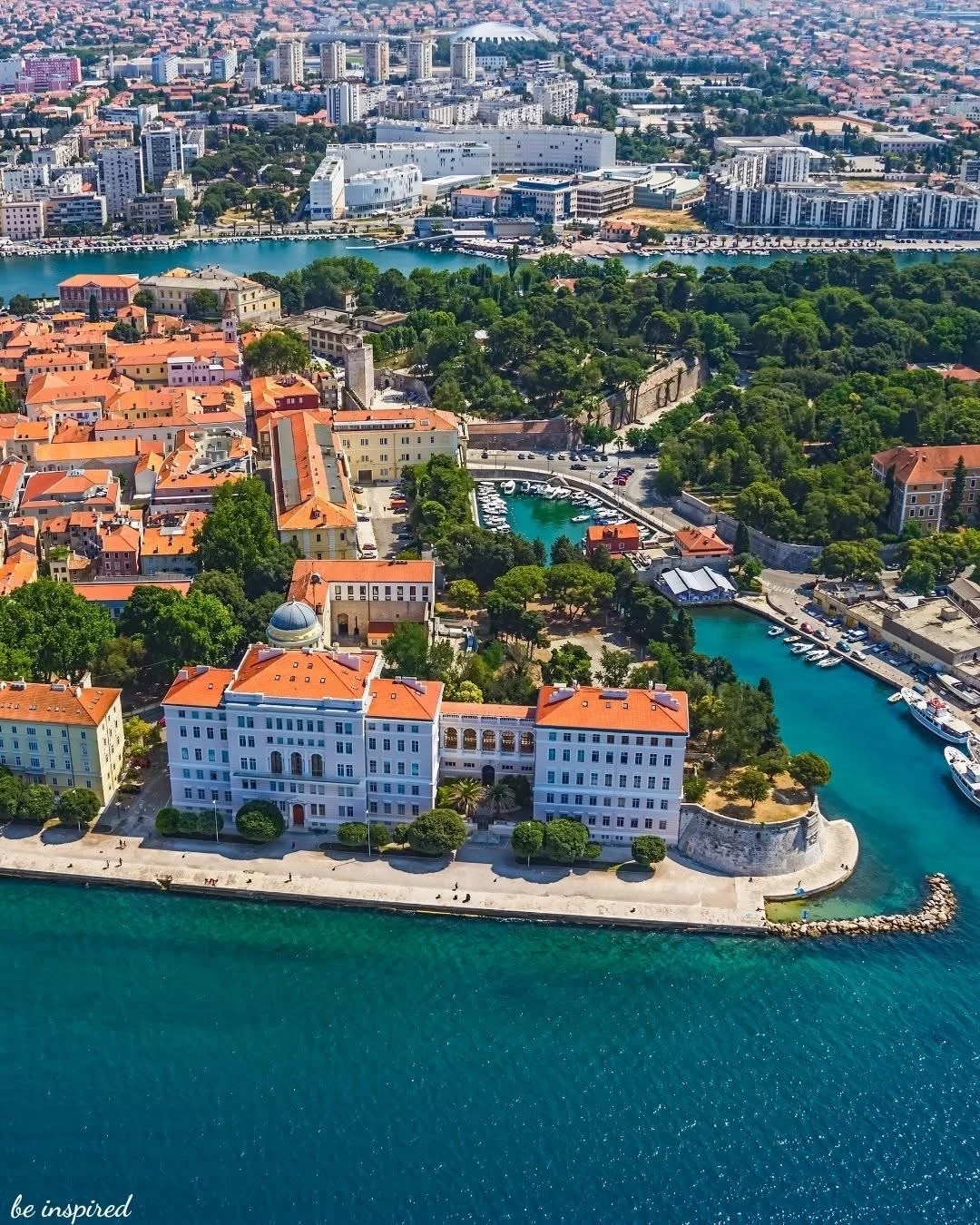
Zadar rewards the curious traveler. Its old town occupies a small marble peninsula barely a kilometre across, yet it contains a Roman forum, a 9th-century round church, a 16th-century Venetian gateway, and two of Europe’s most celebrated public artworks — Nikola Bašić’s Sea Organ and Greeting to the Sun. Beyond the walls, Zadar is the gateway to the Kornati and Paklenica national parks and the Pag Island wine country, and one of the easiest jumping-off points for sailing the central Dalmatian islands.
For luxury travelers, Zadar offers a quieter, more authentic alternative to Dubrovnik or Split — fewer cruise crowds, exceptional restaurants, and a setting that turns extraordinary every evening as the sun drops behind the Zadar archipelago.
Top Things to Do in Zadar
-
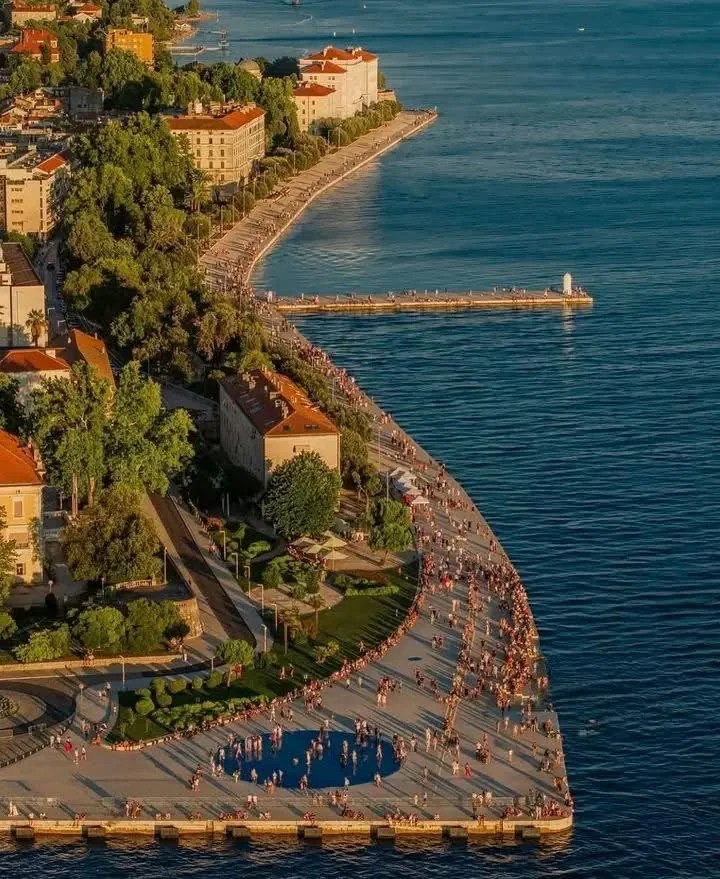
Listen to the Sea Organ at sunset. Architect Nikola Bašić’s masterpiece is built into the marble steps of the Riva — thirty-five organ pipes tuned to the rhythm of the waves. There is no better way to spend the golden hour.
-
Watch the lights of Greeting to the Sun. Adjacent to the Sea Organ, a 22-metre solar-powered glass disc captures the day’s sunlight and releases it as a shifting light show after dark. Time your visit to catch both.
-
Walk the Roman Forum. The largest Roman forum on the eastern Adriatic, dating to the 1st century BC, with original paving stones, a column once used as a pillar of shame, and the round Church of St Donatus rising directly above it.
-
Explore the Church of St Donatus. The 9th-century pre-Romanesque rotunda is one of the most distinctive religious buildings in Croatia and acoustically remarkable — concerts here are unforgettable.
-
Climb the bell tower of St Anastasia’s Cathedral. The 56-metre Romanesque tower offers the best panoramic view of Zadar’s marble streets and the surrounding archipelago.
-
Stroll Kalelarga. Zadar’s main marble pedestrian street, polished smooth by centuries of footsteps, lined with cafés, designer shops, and Venetian palazzi.
-
Day trip to Kornati National Park. A constellation of 89 limestone islands, an hour by speedboat from Zadar — surreal, lunar landscapes rising directly from the Adriatic.
-
Visit Paklenica National Park. Dramatic Velebit mountain canyons just 50 km north, with hiking, climbing, and sweeping coastal panoramas.
-
Sample Pag cheese and Maraschino liqueur. Two regional specialities you can taste at Zadar’s central market and at the Maraska distillery just outside town.
Where to Eat in Zadar
Zadar’s restaurant scene has quietly become one of the strongest on the Dalmatian coast. Bruschetta on Mihovila Pavlinovića is the classic upscale choice — a glass-walled dining room over the harbor with a refined Mediterranean menu and one of the city’s best wine lists. Restaurant Niko in nearby Puntamika is the longtime locals’ favorite for fish, family-run since 1963, with an Adriatic-front terrace. For something more contemporary, Pet Bunara serves an inventive Dalmatian-modern menu inside the city walls. For a casual lunch, the daily Pijaca market sells everything you’d want for a perfect picnic on the Riva.
Where to Stay in Zadar
For a luxury stay, Hotel Bastion is the only true boutique option inside the old town walls — built into a medieval citadel, with a celebrated restaurant and old-stone elegance. Falkensteiner Hotel & Spa Iadera, ten minutes south on Punta Skala, is the resort-style choice with Adriatic-front suites and a serious spa. For an apartment with a view, the historic palazzi along Kalelarga and Široka have been beautifully restored as private rentals.
How to Get to Zadar
Zadar has its own international airport (ZAD), 12 km from the old town, with direct flights from London, Dublin, Frankfurt, and many European cities in summer. From Split, Zadar is a 90-minute drive up the A1 motorway. From Zagreb, it’s a comfortable 2.5 hours. The ferry terminal links Zadar to the islands of Ugljan, Pašman, Dugi Otok, and Premuda, and seasonal catamarans run to several Kornati islands.
Best Time to Visit Zadar
Zadar is wonderful from May through October, but late May, June, and September are the sweet spots — warm sea, long days, fewer cruise passengers. July and August are spectacular but busy. April and October are unhurried, with cool but pleasant weather and excellent restaurant availability. Winter is quiet and atmospheric; many smaller restaurants close, but the old town has a serene, melancholic beauty.
Practical Tips
- The old town is fully walkable — leave the car outside the walls in one of the marked car parks.
- The Sea Organ is best experienced about 30 minutes before sunset; arrive earlier on summer weekends to claim a spot on the marble steps.
- A Zadar Card (24h or 72h) covers museums, the bell tower, and bus transport — worth it for active sightseers.
- Tap water is excellent throughout the city.
Frequently Asked Questions
Is Zadar worth visiting?
Yes — Zadar is one of the most rewarding cities on the Dalmatian coast and a quieter alternative to Dubrovnik or Split. The Roman Forum, the 9th-century Church of St Donatus, the Sea Organ, and the Greeting to the Sun light installation make Zadar’s marble peninsula a remarkable two-day stop. Alfred Hitchcock famously called the Zadar sunset “the most beautiful in the world.”
How many days do you need in Zadar?
Two days is the sweet spot. One day for the old town — the Roman Forum, the bell tower of St Anastasia, Kalelarga, and the Sea Organ at sunset. A second day for a boat trip to the Kornati Islands or a half-day in Paklenica National Park 50 km north. Three days lets you add Pag Island.
What is the Sea Organ in Zadar?
The Sea Organ is an architectural sound installation by Croatian architect Nikola Bašić, completed in 2005. Thirty-five organ pipes are built into the marble steps of Zadar’s Riva, tuned to the rhythm of the waves. The water moves air through the pipes to produce hauntingly beautiful tones — best experienced at sunset.
Is Zadar better than Split?
They are different. Split is larger, livelier, and the better island-hopping hub. Zadar is quieter, more refined, with a more compact and walkable old town and significantly fewer cruise crowds. Many luxury travelers prefer Zadar for the calmer pace and pair it with Split for the islands.
What is Zadar famous for?
Zadar is famous for the Sea Organ and Greeting to the Sun installations on its Riva, for the largest Roman Forum on the eastern Adriatic, for the 9th-century pre-Romanesque Church of St Donatus, and for the sunset that Alfred Hitchcock called “the most beautiful in the world.”
Plan Your Croatia Trip
Zadar pairs naturally with Split, Plitvice Lakes, and the Kornati islands. See our 7 Day Croatia Itinerary for ideas on combining Zadar with the rest of the Dalmatian coast, or the Croatia Travel Guide for trip planning essentials. For private guides, restaurant introductions, or full Zadar weeks, see our concierge enquiries page.